Installing an air conditioning system is one of the best ways to improve indoor comfort, especially during hot summer months. A properly installed air conditioner helps maintain a comfortable temperature, improves indoor air quality, and can even reduce energy consumption when the right system is selected. Whether you're installing a new unit in a newly constructed home or replacing an outdated system, understanding the installation process can help you make informed decisions.
Professional air conditioning installation ensures that your cooling system operates efficiently, lasts longer, and provides reliable performance throughout the year.
Why Proper Air Conditioning Installation Matters
Installing an air conditioner involves much more than simply placing a unit in your home. Proper sizing, electrical connections, refrigerant handling, airflow design, and system testing all contribute to the unit's overall efficiency.
Incorrect installation may result in:
-
Higher energy bills
-
Uneven cooling
-
Frequent repairs
-
Reduced equipment lifespan
-
Poor indoor air quality
-
Increased system noise
Choosing experienced professionals helps ensure that your investment performs as expected.
Types of Air Conditioning Systems
Before installation, it's important to understand the different types of air conditioning systems available.
Central Air Conditioning
Central air conditioning systems cool an entire home through a network of ducts. They are ideal for larger homes and provide consistent cooling across multiple rooms.
Split Air Conditioning Systems
Split systems consist of an indoor unit and an outdoor condenser. These systems are popular for homes and offices because they are energy-efficient and relatively quiet.
Ductless Mini-Split Systems
Mini-split systems do not require ductwork, making them suitable for room additions, apartments, or homes without existing ducts.
Window Air Conditioners
Window units are designed to cool individual rooms. They are generally more affordable but provide limited coverage.
Portable Air Conditioners
Portable units can be moved between rooms and are useful for temporary cooling needs, although they are usually less efficient than permanent installations.
Choosing the Right Air Conditioner
Selecting the appropriate system depends on several factors.
Consider the following:
-
Home size
-
Number of rooms
-
Local climate
-
Energy efficiency ratings
-
Budget
-
Existing ductwork
-
Noise level
-
Maintenance requirements
A properly sized unit provides better comfort while minimizing energy consumption.
The Air Conditioning Installation Process
Professional installation typically follows several important steps.
Home Assessment
The technician evaluates your home's layout, insulation, room sizes, and cooling requirements before recommending an appropriate system.
Equipment Selection
Based on the assessment, the installer recommends an air conditioning unit with the correct cooling capacity.
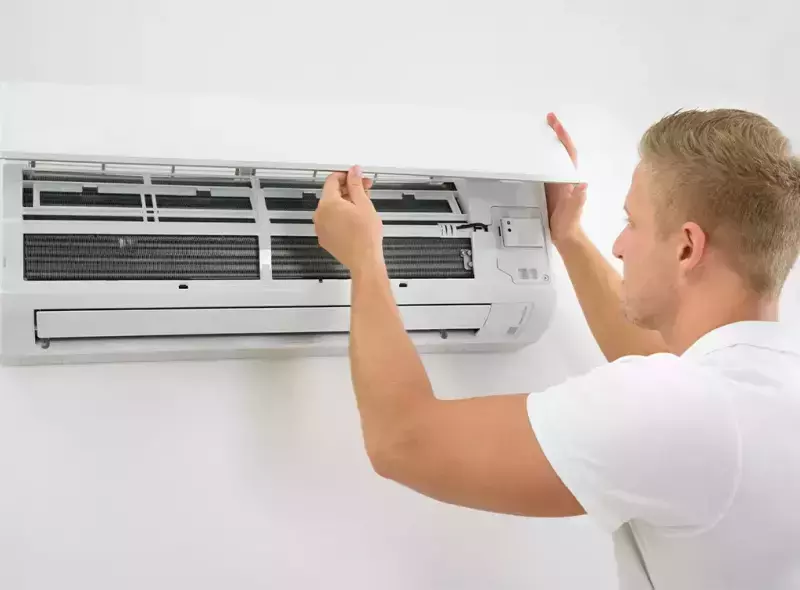
Indoor Unit Installation
The indoor unit is mounted securely, ensuring proper airflow and easy access for future maintenance.
Outdoor Unit Placement
The outdoor condenser is installed on a stable surface with adequate ventilation to maximize efficiency.
Refrigerant Line Installation
Copper refrigerant lines connect the indoor and outdoor units. Proper installation prevents leaks and ensures efficient cooling.
Electrical Connections
Licensed technicians complete the electrical wiring while following local safety codes and manufacturer guidelines.
System Testing
After installation, the entire system is tested to verify airflow, refrigerant pressure, thermostat operation, and cooling performance.
Benefits of Professional Installation
Hiring experienced HVAC professionals provides several important advantages.
These include:
-
Correct equipment sizing
-
Improved energy efficiency
-
Manufacturer warranty protection
-
Safe electrical installation
-
Proper refrigerant handling
-
Reliable long-term performance
Professional installation also reduces the likelihood of future repair costs.
Energy Efficiency Considerations
Modern air conditioners are designed to consume less electricity while delivering effective cooling.
To maximize efficiency:
-
Choose a high-efficiency model.
-
Install a programmable thermostat.
-
Seal air leaks around doors and windows.
-
Keep air filters clean.
-
Schedule regular maintenance.
-
Ensure proper insulation.
These simple steps help reduce monthly energy expenses while improving indoor comfort.
Maintenance After Installation
Routine maintenance keeps your air conditioning system operating efficiently.
Recommended maintenance includes:
-
Replacing or cleaning air filters regularly
-
Cleaning indoor and outdoor coils
-
Inspecting refrigerant levels
-
Checking electrical connections
-
Clearing debris around the outdoor unit
-
Testing thermostat accuracy
-
Scheduling annual professional inspections
Regular maintenance helps prevent unexpected breakdowns and extends equipment lifespan.
Common Installation Mistakes to Avoid
Improper installation can negatively affect system performance.
Some common mistakes include:
-
Installing an oversized or undersized unit
-
Poor refrigerant charging
-
Incorrect thermostat placement
-
Inadequate airflow
-
Improper drainage installation
-
Weak electrical connections
-
Insufficient outdoor clearance
Working with qualified professionals helps avoid these issues.
How Long Does Installation Take?
The installation time depends on the type of system and the complexity of the project.
Typical estimates include:
-
Window air conditioner: 1–2 hours
-
Split air conditioner: 4–8 hours
-
Central air conditioning system: 1–3 days
-
Ductless mini-split: 1 day
Additional electrical work or duct modifications may increase installation time.
Factors Affecting Installation Cost
Several factors influence the overall cost of installing an air conditioning system.
These include:
-
Type of air conditioner
-
Cooling capacity
-
Home size
-
Installation complexity
-
Existing ductwork
-
Electrical upgrades
-
Brand and model
-
Labor costs
Obtaining multiple estimates from reputable contractors can help you compare options before making a decision.
Conclusion
Air conditioning installation is an important investment that enhances indoor comfort, improves air quality, and increases energy efficiency when completed correctly. Choosing the right cooling system, ensuring professional installation, and following regular maintenance practices all contribute to reliable long-term performance.
Whether you're upgrading an older unit or installing air conditioning for the first time, understanding the installation process helps you make informed decisions. With proper planning and expert installation, your air conditioning system can provide years of dependable cooling while keeping your home comfortable throughout every season.