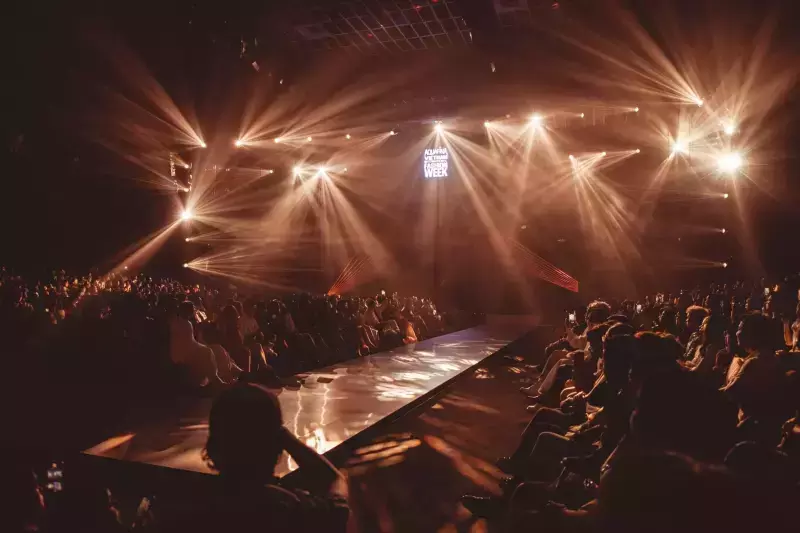
I remember my first encounter with Amsterdam Fashion Week, or AFW as it's widely known, quite vividly. It wasn't the grandeur of Paris or the frantic energy of New York; it was something uniquely different, a quiet confidence rooted in innovation and a palpable commitment to a more responsible future. Over the years, I've had the privilege of observing AFW transform, not just in scale, but in its very essence, solidifying its reputation as a significant voice in the global fashion conversation. It really stands out.
The Genesis and Growth of AFW
When AFW first started, it was a relatively modest affair compared to some of its more established counterparts. It kicked off with a vision to celebrate Dutch design talent, a sector often overshadowed but rich with creativity. What began as a focused platform for local designers has, in my opinion, blossomed into an internationally recognized event that champions not just aesthetics, but also ethical production and sustainability. I've watched it grow from showcasing a handful of promising names to hosting a diverse array of designers from around the world, all drawn by its distinct philosophy.
It's fascinating to track this journey. From humble beginnings, AFW consistently carved out a niche. They weren't trying to emulate the 'big four'; they were busy defining their own space, and I think that’s why it resonates so much with me and so many others. They understood early on that simply replicating existing models wasn’t going to work in the long run.
A Unique Identity: Sustainability at Its Core
What I find truly compelling about AFW is its unwavering dedication to sustainability. This isn't just a buzzword here; it's woven into the very fabric of the event. I've seen countless initiatives, from designers using innovative recycled materials to entire collections centered around circular economy principles. It’s genuinely inspiring. Many other fashion weeks have started to include sustainability as a category, but AFW, for me, feels like it integrated it intrinsically into its identity much earlier and more authentically. It’s not an add-on; it’s a core tenet.
“AFW isn't just showcasing clothes; it's showcasing a future-proof vision for the fashion industry.”
I recall one particular show a few seasons ago where a designer presented an entire collection made from upcycled textiles sourced locally. The craftsmanship was incredible, and the story behind each piece was even more so. It wasn't just a fashion show; it was a powerful statement about conscious consumption. This is the kind of storytelling and impact that AFW consistently delivers, which makes it incredibly compelling for me.
- Innovation in Materials: Designers often experiment with bio-based fabrics, recycled plastics, and even forgotten traditional techniques.
- Ethical Production: A clear emphasis is placed on fair labor practices and transparent supply chains.
- Circular Design: Many collections promote longevity, repairability, and end-of-life considerations for garments.
- Educational Initiatives: AFW frequently hosts talks and workshops that educate attendees on sustainable practices within the industry.
Impact on the Fashion Industry and Beyond
The influence of AFW extends far beyond the canals of Amsterdam. It acts as a significant platform for emerging designers, giving them a voice and visibility they might not otherwise attain. I’ve seen designers who debuted at AFW go on to achieve international recognition, and I think that speaks volumes about the quality of talent the event attracts and nurtures. It’s a launching pad, truly.
Moreover, AFW has played a crucial role in pushing the broader fashion agenda towards greater transparency and responsibility. Other fashion capitals, I believe, have certainly taken note of AFW’s approach. It’s demonstrated that a fashion event can be glamorous and commercially viable while still maintaining a strong ethical compass. This subtle but powerful shift in narrative is something I really appreciate.
Behind the Scenes: My Observations on Organization and Experience
Organizing an event of this magnitude is no small feat, and having witnessed some of the intricate planning myself, I'm always impressed by the seamless execution. There's a particular energy during AFW – a blend of focused professionalism and a genuinely warm, welcoming atmosphere. I've often felt a sense of community there that can sometimes be lost in larger, more commercial fashion weeks. From the diligent teams working backstage to the creative minds curating the shows, everyone seems to be aligned with the core values of the event.
I’ve also noticed how AFW integrates different elements into the experience. It isn't just about watching runway shows; it often incorporates:
- Thought-provoking panel discussions about the future of fashion.
- Interactive exhibitions showcasing textile innovations.
- Pop-up stores featuring sustainable brands directly.
- Networking events that truly connect industry professionals and aspiring talent.
These elements create a holistic experience that I find incredibly enriching, offering more than just fleeting fashion trends. It provides a real understanding of the industry's direction.
Challenges and the Road Ahead for AFW
Of course, no major event is without its challenges. Maintaining relevance in an ever-evolving digital landscape, securing funding, and continually attracting top-tier talent while staying true to its ethical commitments are all ongoing efforts for AFW. The fashion world moves at a lightning pace, and staying ahead of the curve requires constant adaptability and foresight. I'm always curious to see how they'll navigate these pressures.
However, if my observations over the years have taught me anything, it's that AFW has a knack for reinvention and a deep understanding of its own identity. I believe its steadfast commitment to sustainability, coupled with its support for emerging talent, positions it uniquely for continued success. I’m quite optimistic about its trajectory, actually. It’s not just a place where clothes are shown; it’s a platform for ideas, for progress, and for a different kind of beauty in fashion. I truly can’t wait to see what they do next.