
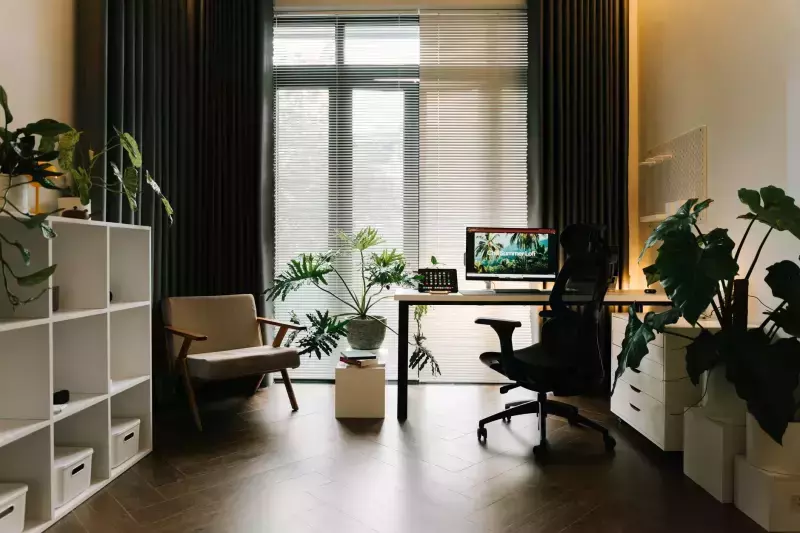
When I think about comfort, my mind doesn't just settle on a plush sofa or a soft blanket anymore. It’s truly something much bigger, a complex interplay of physical sensations, emotional states, and environmental factors that profoundly shapes our daily lives and overall well-being. It isn't just about mere relaxation; I’ve come to understand it as optimizing human experience across countless dimensions. For a long time, my perception was quite narrow, perhaps tied to a particular armchair I loved, but a deeper look reveals its incredible breadth.
The Tangible and Intangible Threads of Comfort
I find it fascinating how comfort wraps around us in so many ways. On one hand, there's the immediate, tactile experience – the soft give of a memory foam mattress, the warmth of a perfectly brewed cup of tea on a chilly morning, or the gentle support of a well-designed office chair. But then, there’s this whole other side, a quieter, less obvious kind of comfort that speaks to our minds and spirits. It’s the feeling of security when you’re in a familiar space, or the peace that washes over you in a quiet room, away from the day's hustle.
Physical Comfort: More Than Just Softness
Let's start with the stuff we can literally touch and feel. Physical comfort is often our first point of contact with this idea. It boils down to reducing strain, easing tension, and providing a sense of physical ease. I’ve spent countless hours in uncomfortable chairs, and I know firsthand what a difference ergonomics makes. It’s not just about looking good; it's about supporting our bodies in their natural posture, preventing aches and pains that can drain our energy. Think about it: a poorly designed workstation doesn’t just make you tired; it can actively hinder your concentration and mood. It’s a real productivity killer, I’ve found.
Good design, I believe, isn’t just about aesthetics; it’s about anticipating human needs and responding to them with thoughtful solutions that promote well-being and ease.
Consider the science behind materials. Why does one fabric feel cool and breathable, while another makes you feel stifled? It's all about fiber structure, weave, and how they interact with our skin and body temperature. Cushioning, too, isn't just about squishiness. It's about resilience, support, and how well it distributes pressure. There’s a sweet spot, a balance, that manufacturers constantly chase. I can tell you, when you hit it, you know it almost instantly.
- Ergonomic furniture: Chairs, desks, and even keyboards designed to align with natural body mechanics. They don't just feel good; they protect us.
- Temperature regulation: Fabrics that wick moisture or insulate effectively, letting our bodies maintain an optimal temperature. My sleep improved dramatically once I paid attention to this.
- Supportive bedding: Mattresses and pillows that cradle the body, ensuring restorative sleep without pressure points. It's an investment, I've learned, that pays dividends every morning.
The Psychological Embrace: Comfort for the Mind
Beyond the physical, there’s an immense psychological component to comfort. This is where things get really interesting for me. It’s about feeling safe, secure, and at peace. A familiar routine, for instance, can be incredibly comforting; it offers predictability in a chaotic world. I know when my day starts with a particular ritual, even small things, it just feels better.
Think about the emotional resonance of certain spaces. My childhood home, even years later, evokes a profound sense of comfort. It's not just the physical structure; it’s the memories, the feeling of belonging, the sense of security I associate with it. That’s a powerful type of comfort, one that nourishes the soul. It's something we often overlook in our rush.
Here are some elements that contribute to psychological comfort, as I see them:
- Familiarity: Environments or routines that are known and predictable. There's real power in knowing what to expect.
- Safety and Security: Feeling protected from harm, both physical and emotional. This is foundational, I believe.
- Sense of Control: The ability to influence one's surroundings, even in small ways, can dramatically increase comfort.
- Privacy: Having a personal space, a refuge where one can simply be. I crave this after a long day.
- Social Connection: The comfort found in the presence of loved ones or a supportive community. It’s an undeniable human need.
Environmental Harmony: Setting the Scene for Serenity
Our external environment plays a huge role too, something I've paid more attention to lately. The subtle cues from our surroundings constantly influence our state of mind and body. I'm always amazed at how a well-lit room can instantly lift my spirits, while harsh, fluorescent lights make me feel on edge. Light isn't just about seeing; it's about feeling. Natural light, in particular, has a remarkable ability to foster a sense of well-being, connecting us to the rhythms of the day.
And what about sound? Noise pollution isn't just irritating; it's a stressor. A quiet space, or one with pleasant ambient sounds, can be incredibly restorative. I’ve discovered that a little background music can transform a chaotic kitchen into a much more agreeable place to work. Air quality, too, is often an overlooked factor. Fresh, clean air can make a world of difference, improving concentration and general comfort levels. It truly affects how I feel throughout the day.
The Relentless Pursuit of Comfort in Our Modern World
It’s clear to me that we’re constantly chasing comfort, aren't we? From smart homes that adjust temperature and lighting automatically, to ergonomically designed vehicles that make long journeys less taxing, innovation often aims at enhancing our sense of ease. I see manufacturers always trying to refine existing products or create entirely new solutions that promise a more comfortable existence. It’s not just a luxury market either; it’s become ingrained in our expectations for everyday living. Who wants an uncomfortable life if they can avoid it?
Travel, especially, has seen massive advancements in comfort. Airlines now offer lie-flat seats in premium cabins; even economy is seeing improvements in seat design and entertainment options. The goal, I think, is to minimize the stresses of travel, transforming what could be a grueling experience into something more manageable, perhaps even enjoyable. I’m certainly grateful for these improvements when I’m on a long trip.
Comfort as a Catalyst for Productivity and Well-being
I genuinely believe that comfort isn't just a nice-to-have; it's a fundamental requirement for optimal functioning and overall well-being. When we’re physically at ease and psychologically secure, our minds are freed up to focus, create, and engage more effectively. Think about a student trying to study in a noisy, uncomfortable dorm room versus one in a quiet, well-organized space. The difference in their ability to absorb information is likely enormous.
In the workplace, I’ve seen firsthand how a comfortable office environment – good lighting, ergonomic chairs, reasonable noise levels, and even pleasant aesthetics – can boost morale and productivity. Employees who feel comfortable are less stressed, more engaged, and ultimately, more effective. It reduces burnout, too, something I've observed countless times. Investing in comfort, then, isn’t just an expense; it’s an investment in human capital, yielding tangible benefits for individuals and organizations alike.
Ultimately, comfort is a deeply personal and subjective experience, a dynamic interplay of our physical needs, emotional states, and the environments we inhabit. Understanding its many dimensions allows us to create spaces and experiences that don't just look good but genuinely make us feel good, promoting a deeper sense of well-being in every aspect of our lives. It's a continuous journey, I’d say, finding and creating those moments and spaces of true comfort.