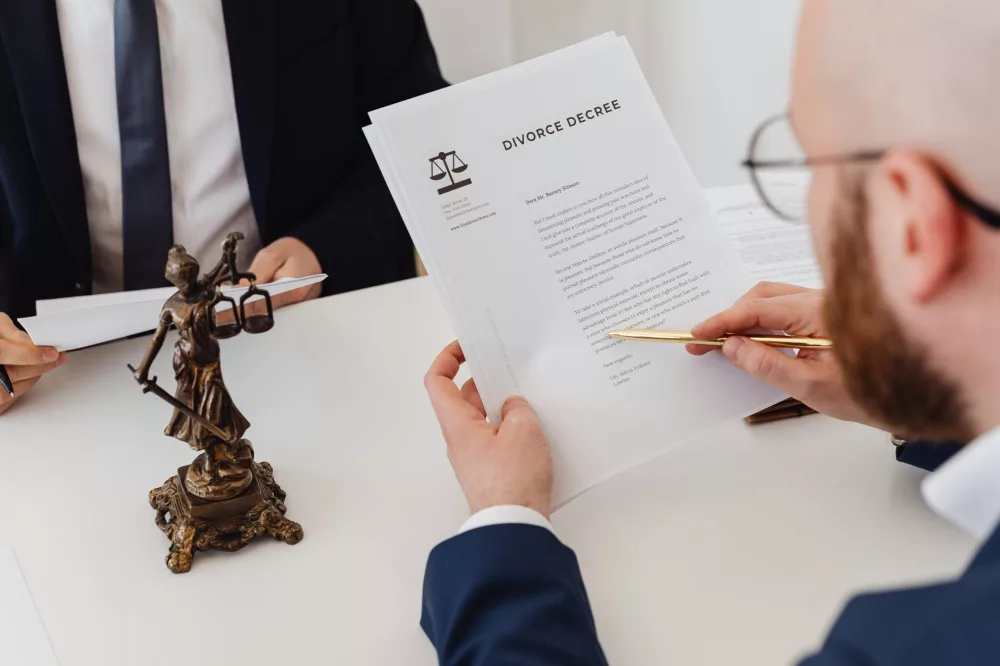

When Disaster Strikes: Understanding Your Rights After a Workplace Injury
Life can change in an instant, can't it? One moment you're going about your day, contributing to your job, and the next, an accident at work turns your world upside down. I've seen it happen countless times. You're hurt, probably in pain, and suddenly you're facing medical bills, lost wages, and a mountain of confusing paperwork. It's overwhelming, and frankly, it's not fair that you have to navigate this alone. That's where a work injury attorney comes in – not just as a lawyer, but as a crucial advocate who understands the intricate dance between medical recovery and legal rights.
You might be thinking, "Do I really need a lawyer? Won't workers' compensation just take care of it?" Well, in an ideal world, yes, it should. But my experience tells me that the reality is often far more complex. Insurance companies, even those dedicated to workers' compensation, are businesses, and their primary goal is to minimize payouts. Your goal, naturally, is to get the care and compensation you need to heal and support yourself and your family. This is where the goals diverge, and why having someone on your side who knows the rules of the game is so incredibly important.
What Exactly Does a Work Injury Attorney Do For You?
Many folks imagine a work injury attorney as someone who just files lawsuits, but that's really just one piece of the puzzle. Our role is far more comprehensive and, I'd say, empathetic. When you've been injured on the job, we step in to handle the heavy lifting so you can focus on what truly matters: your recovery.
- Navigating the Workers' Comp Labyrinth: Honestly, the workers' compensation system can feel like a maze. There are strict deadlines, specific forms, and an alphabet soup of regulations. We help you understand your rights, ensure all paperwork is filed correctly and on time, and guide you through each stage of the claims process. It's a lot to keep track of, and making a mistake can jeopardize your claim.
- Investigating Your Incident Thoroughly: It's not enough to just say you were injured. We'll conduct our own investigation, gathering evidence like accident reports, witness statements, safety records, and even surveillance footage. This thoroughness is key to building a strong case and proving that your injury is work-related.
- Dealing with the Insurance Companies: Ah, the insurance adjusters. They're often professional and seem helpful, but remember their primary loyalty isn't to you. We act as a buffer, handling all communications, negotiations, and challenges from the insurance company. This prevents you from inadvertently saying something that could harm your claim and ensures you're treated fairly.
- Calculating Fair Compensation: This isn't just about immediate medical bills. We assess all your damages, which can include current and future medical expenses, lost wages (both past and future), vocational rehabilitation costs, and even compensation for permanent disability or disfigurement. We make sure nothing is overlooked.
- Representing You in Disputes: If your claim is denied, or if you're offered a settlement that just doesn't cut it, we're prepared to appeal those decisions and represent you in hearings or, if necessary, in court. We're your voice when you can't speak for yourself.
When Should You Definitely Call a Work Injury Attorney?
While I believe it's almost always a good idea to consult with an attorney after a significant work injury, there are definitely situations where it becomes absolutely critical:
- Your Claim is Denied: This is a big one. A denial doesn't mean you're out of options; it means it's time to fight, and you'll need legal help to do it effectively.
- You Receive a Lowball Offer: If the insurance company offers you a settlement that seems too low, or doesn't cover all your current and projected costs, don't accept it without speaking to us first. Chances are, it is too low.
- Employer Retaliation: Has your employer threatened to fire you, demoted you, or harassed you for filing a claim? That's illegal, and you need immediate legal intervention.
- Serious or Permanent Injuries: If your injury is severe, leads to long-term disability, or requires extensive ongoing care, the stakes are much higher. You'll want an attorney to ensure your future needs are accounted for.
- Pre-existing Conditions Complicating Matters: Sometimes an injury at work aggravates an old injury. Insurance companies love to use this to deny or reduce claims, arguing the injury isn't new. We know how to counter this.
- Third-Party Liability: What if your injury wasn't just caused by your employer's negligence, but by a defective piece of equipment, a poorly maintained delivery vehicle, or another company's employee? You might have a separate claim beyond workers' comp, and that's something we'd explore.
Common Workplace Injuries We Often See
The variety of injuries people suffer on the job is truly astounding. From physically demanding roles to seemingly sedentary ones, risks are everywhere. I've helped clients with everything from minor incidents to life-altering accidents. Here are some of the types of injuries that frequently bring people through my door:
- Slips, Trips, and Falls: These are incredibly common and can lead to broken bones, head injuries, and severe sprains.
- Repetitive Strain Injuries (RSIs): Carpal tunnel syndrome, tendonitis, and back problems from repetitive motions or poor ergonomics affect a surprising number of office workers and manual laborers alike.
- Back and Spinal Cord Injuries: Lifting heavy objects, falls, or sudden twists can cause debilitating back injuries, some of which require complex surgery and long-term rehabilitation.
- Amputations: Unfortunately, accidents involving heavy machinery, power tools, or industrial equipment can result in the loss of limbs. These cases require significant compensation for prosthetics, adaptation, and emotional trauma.
- Chemical Exposure: Workers in manufacturing, agriculture, or healthcare can be exposed to toxic chemicals, leading to respiratory issues, burns, or long-term illnesses.
- Traumatic Brain Injuries (TBIs): Falls, impacts, or objects striking the head can cause TBIs, ranging from concussions to severe, permanent brain damage affecting cognitive function and personality.
- Psychological Injuries: While often overlooked, the trauma of a workplace accident, or exposure to violent incidents, can lead to PTSD, anxiety, and depression. These are very real injuries that deserve compensation and treatment.
The Legal Process: What to Expect When You Work With Us
I know the legal system can seem intimidating, but I want to demystify it a bit for you. When you decide to work with my team, here's a general roadmap of what to anticipate:
- Initial Consultation: This is our first chat. We'll discuss what happened, your injuries, and your current situation. It's a chance for me to understand your case and for you to ask any questions you have. This consultation is usually free, so there's no risk in seeking advice.
- Investigation & Evidence Gathering: Once we agree to move forward, we hit the ground running. We'll collect all necessary documentation – medical records, incident reports, witness statements, and anything else that strengthens your claim.
- Filing the Claim: We ensure all required forms are accurately completed and submitted within the strict deadlines imposed by your state's workers' compensation board.
- Negotiations & Settlement: Most work injury cases are resolved through negotiation. We'll present your case to the insurance company and fight for a fair settlement that covers all your damages.
- Litigation (If Necessary): If negotiations don't yield a satisfactory result, we won't hesitate to take your case to a hearing or even court. We'll prepare you thoroughly for any proceedings and represent your interests aggressively.
Why You Really Can't Afford *Not* to Have Legal Representation
Look, I get it. The idea of adding another expense, even a contingency fee, to your already stressful situation might give you pause. But trust me on this: the benefits of having an experienced work injury attorney far outweigh the perceived costs.
- Maximizing Your Compensation: We're experts at valuing claims. We'll ensure you're compensated not just for obvious costs, but also for future medical needs, vocational retraining, and other long-term impacts you might not even realize exist yet. Unrepresented claimants often leave significant money on the table.
- Peace of Mind: Seriously, this is huge. Imagine not having to deal with incessant calls from adjusters, or worrying if you filled out the right form. We handle all of that, letting you focus on your health and your family.
- Expertise in Law and Medicine: We speak the language of both law and medicine. We understand complex medical diagnoses, treatment plans, and how they translate into legal damages. This expertise is invaluable.
- Leveling the Playing Field: You're going up against sophisticated insurance companies with vast resources. Hiring an attorney puts you on equal footing, ensuring your rights are protected.
If you've been injured at work, please don't try to go it alone. The system isn't designed for you to win easily without help. Reach out to a work injury attorney. Many of us offer free initial consultations, so you've got nothing to lose by getting some solid advice tailored to your unique situation. Your health, your financial stability, and your future are too important to leave to chance.