
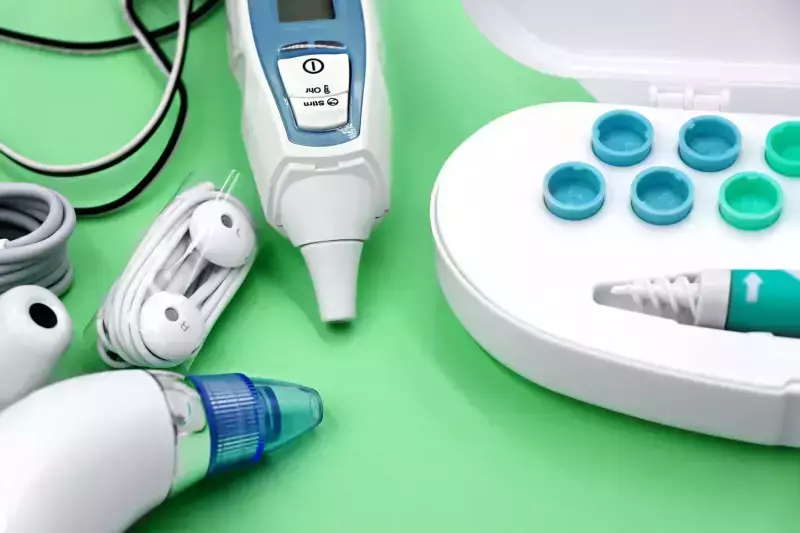
You know, it’s funny how these little skin imperfections can sometimes feel like a huge deal. I’m talking about skin tags, those small, soft, often flesh-colored growths that tend to pop up in places like our neck, armpits, or eyelids. While they’re usually harmless, medically speaking, they can certainly be a nuisance. Many folks find them aesthetically displeasing, or they might even get irritated by clothing or jewelry. That’s where the conversation around home remedies and, more specifically, skin tag removal kits, usually begins. I’ve spent a fair bit of time looking into these options, and I think it's worth a deep dive into what they are, how they work, and if they’re truly a good idea for you.
What Exactly Are Skin Tags and Why Do We Get Them?
Before we even touch on removal, let’s quickly talk about what we’re dealing with. Skin tags, or acrochordons as dermatologists call them, are essentially benign, non-cancerous growths of the skin. They’re pretty common, affecting almost half of all adults at some point in their lives. We don’t fully understand why they appear, but some common culprits include:
- Friction: This seems to be a big one. They often show up in skin folds where skin rubs against skin, or against clothing.
- Genetics: If your parents have them, chances are you might too.
- Obesity: Higher body weight can mean more skin folds and increased friction.
- Hormonal changes: Pregnancy, for instance, can sometimes trigger their appearance.
- Insulin resistance: There’s a known association with type 2 diabetes and skin tags.
They’re typically small, perhaps just a millimeter or two, but some can grow larger, reaching a few centimeters. They’re usually soft and hang off the skin by a tiny stalk, making them distinct from moles or warts.
Exploring the World of Skin Tag Removal Kits
So, you’ve got a skin tag, and you’re tired of it. What are the home removal options? When I first started researching, I was surprised by the variety of kits available. They primarily fall into a few categories, each with its own mechanism of action. It's not a one-size-fits-all situation, and what works for one person might not be suitable for another, or for a different type of skin tag on the same person.
1. Ligation or Banding Kits
These are perhaps the most common and, in my opinion, one of the more straightforward approaches for certain types of tags. The idea here is simple yet effective: you cut off the blood supply to the skin tag. How do they do this? With tiny elastic bands.
How They Work:
A small applicator, often shaped like a cone or a pen, helps you place a very small rubber band around the base of the skin tag. This band is designed to be tight enough to constrict the blood flow completely. Without a blood supply, the cells in the skin tag can’t survive. Over a few days, or sometimes a week or two, the tag will typically darken, dry up, and then fall off on its own. It's a slow and steady process, but many find it less intimidating than other methods.
My Thoughts on Ligation Kits:
I find these kits particularly appealing for medium-sized tags that have a clear, narrow stalk. They're generally easy to use, and you can often apply them yourself without too much hassle. However, it's crucial to ensure you're placing the band correctly at the very base. If it’s too loose or placed on the surrounding skin, it won't work, and you might just irritate the area. Also, for very small tags, these bands can sometimes be too large, and for very large tags, they might not be strong enough to effectively cut off the circulation.
2. Cryotherapy Kits (Freezing Kits)
Remember those wart removal sprays? These are pretty similar. Cryotherapy involves freezing the skin tag off. It's a method that dermatologists use, but home kits offer a milder, over-the-counter version.
How They Work:
These kits usually come with an aerosol canister that dispenses a very cold liquid (often dimethyl ether and propane or similar refrigerants) onto a small applicator tip. You then press this tip onto the skin tag for a specified amount of time, usually 10 to 30 seconds. The extreme cold causes the cells within the skin tag to freeze and die. Like with ligation, the tag will eventually fall off, often after developing a blister underneath it.
Considerations for Cryotherapy:
- Pain: Freezing can be uncomfortable, presenting as a stinging or burning sensation during application.
- Blistering: It’s common for a blister to form, which can be a bit unsightly and might take some time to heal.
- Skin Tone: There's a slight risk of hypopigmentation (lightening of the skin) in the treated area, especially for those with darker skin tones, which is something I always keep in mind.
- Accuracy: You've got to be pretty precise to avoid freezing the surrounding healthy skin.
3. Topical Solutions (Creams, Serums, or Patches)
This category is a bit broader and includes a range of products that aim to chemically dissolve or dry out the skin tag. Many of these use ingredients like salicylic acid, tea tree oil, or various plant extracts.
How They Work:
The active ingredients are applied directly to the skin tag, often once or twice a day over a period of weeks. The idea is that these compounds will gradually break down the tag’s tissue, causing it to shrink, dry up, and eventually flake off. Some patches work similarly, delivering a concentrated dose of the active ingredient directly to the tag.
My Experience with Topical Solutions:
I've observed that these tend to be the slowest method. Patience is absolutely key here. While they might seem less invasive, I’ve found that results can be quite variable. Some people swear by them, especially for smaller tags, while others see little to no change. There’s also the potential for skin irritation on the surrounding skin if the product isn’t applied carefully, which can be a real nuisance. You really need to follow the instructions to a T.
Safety First: When to Be Cautious (or Skip the Kit Entirely)
This is probably the most important part of our discussion. While these kits offer a convenient DIY approach, they aren’t for every skin tag or every situation. I can't stress this enough: never assume a growth is just a skin tag without a professional opinion, especially if it’s new, changing, or looks unusual.
When to Absolutely See a Doctor:
- Uncertainty: If you're not 100% sure it's a skin tag. Moles, warts, and even some skin cancers can mimic skin tags. Using a home kit on something malignant could be dangerous.
- Location: Never use these kits near your eyes, on mucous membranes (like inside the mouth or genitals), or on very sensitive areas where scarring could be problematic.
- Size: Very large skin tags (say, anything bigger than a pencil eraser) are usually best handled by a professional. Home kits might not be effective and could lead to more complications like bleeding or infection.
- Pain, Bleeding, or Itching: If the tag is painful, bleeds easily, changes color, or itches, it needs a doctor’s evaluation.
- Underlying Health Conditions: If you have diabetes, poor circulation, or a compromised immune system, I’d strongly advise against home removal. The risk of infection or poor healing is significantly higher.
Choosing the Right Kit for You
Assuming you’ve had a professional confirm it’s indeed a benign skin tag and it’s in an appropriate location for home treatment, how do you pick a kit? It’s a bit of a personal decision, but here’s what I'd consider:
- Tag Size and Stalk: Ligation kits are great for tags with a clear, narrow stalk. For very small, flat tags, cryotherapy or topical solutions might be considered, though results can vary.
- Your Pain Tolerance: Freezing can hurt. Ligation is usually less painful once applied, but the tag's eventual demise can cause mild discomfort. Topical solutions are generally painless.
- Patience: Do you want it gone in days (ligation/cryotherapy) or are you okay with weeks (topical)?
- Skin Sensitivity: If your skin reacts easily to products, a less aggressive method might be preferred, or you might need to patch test topical solutions.
Potential Downsides and Side Effects
No home treatment is without its risks. When I talk to people about these kits, I always make sure they’re aware of the potential for:
- Infection: Any breach of the skin carries this risk. Proper hygiene before, during, and after application is non-negotiable.
- Scarring: While rare with proper use, it’s not impossible, especially if you pick at the healing area or if the method is too aggressive for your skin type.
- Incomplete Removal: Sometimes, part of the tag remains, or it grows back. This can be frustrating.
- Discomfort or Pain: As mentioned, particularly with freezing, but even a tightly bound tag can feel sore.
- Skin Discoloration: Post-inflammatory hyperpigmentation (darkening) or hypopigmentation (lightening) can occur, especially with cryotherapy.
Ultimately, while skin tag removal kits offer a convenient and often effective solution for managing these minor skin growths at home, it’s not a decision to be taken lightly. Always prioritize safety, understand the process, and when in doubt, a quick chat with your doctor or dermatologist is always the best course of action. They can provide an accurate diagnosis and discuss all your removal options, ensuring you get rid of that pesky tag safely and effectively.