The Three-Phase Insurance Maze
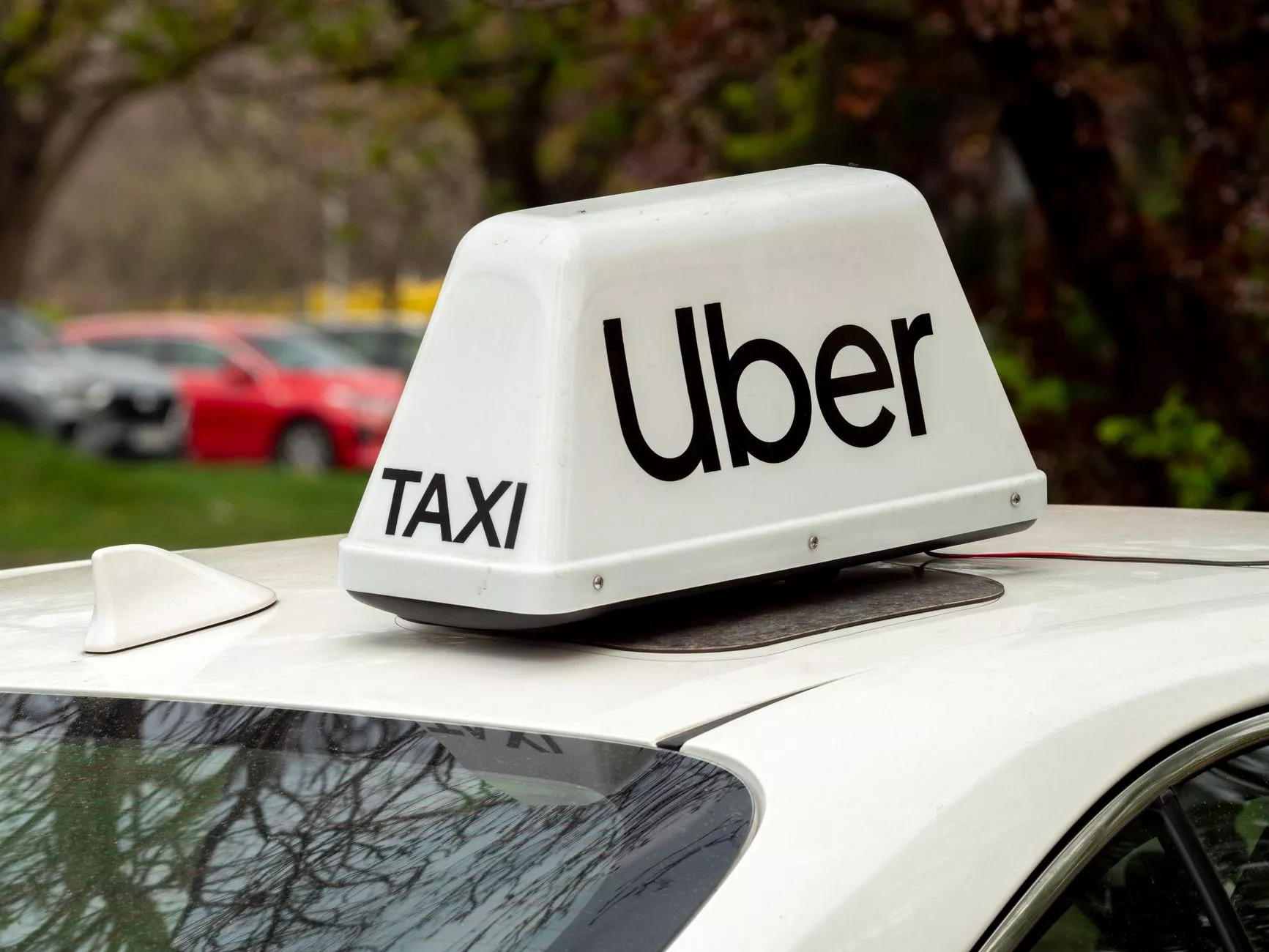
Most people assume that because Uber is a billion-dollar tech giant, getting a settlement after a crash is a straightforward process. It's not. In fact, it is one of the most frustratingly segmented insurance systems I've ever encountered. Everything hinges on what the driver was doing at the exact millisecond of the impact. We call this the 'app status' game.
The insurance coverage shifts like sand depending on a tiny digital toggle on a driver's phone.
Let me paint the picture of how this works. It's broken down into three distinct phases:
- Phase 1: App is Off. If the driver has their Uber app turned off, they are just a regular driver. If they hit you, Uber's insurance won't pay a dime. We have to pursue their personal auto insurance policy, which often has low limits.
- Phase 2: App is On, but no passenger/trip accepted. This is the grey zone. The driver is cruising, waiting for a ping. Uber provides liability insurance here, but it's limited—usually $50,000 per person for bodily injury, capping at $100,000 total. Personal insurance policies almost always deny coverage here because of the 'commercial use' exclusion. It's a massive headache.
- Phase 3: Ride Accepted or Passenger On Board. This is where the famous $1 million policy kicks in. From the moment the driver accepts a ride request to the moment the passenger steps out of the car, you are covered by Uber's primary liability policy. But don't pop the champagne just yet. Just because the policy limit is high doesn't mean they want to pay it out.
Why Uber's Insurance Adjusters Aren't Your Friends
I can't tell you how many times a client has called me saying, 'But the Uber insurance adjuster seemed so nice on the phone!' Sure they did. That's their job. They want to put you at ease so you drop your guard. They'll ask you to give a recorded statement. Do not do it. Seriously, just don't.
In my years representing crash victims, I've seen adjusters use every trick in the book. They will take a casual phrase like 'I'm doing okay today' and use it in court to argue that your herniated disc isn't actually painful. They'll delay processing your claim, hoping medical bills pile up so high that you get desperate and accept a lowball offer just to keep the collectors away. It's a calculated waiting game. When we step in, we take over all communication. We stop the harassment and make sure they know they can't play those games.
The Myth of the 'Employee' and Why it Matters
Why is it so hard to sue Uber directly? Because of a legal shield they've spent hundreds of millions of dollars defending: the independent contractor defense. Uber insists its drivers aren't employees. They are 'independent partners' who merely use Uber’s matchmaking technology. This means that under traditional legal doctrines like respondeat superior (which makes employers liable for their employees' mistakes), Uber can often slip out the back door when a driver crashes.
This is where a skilled lawyer has to dig deep. We look at the digital trail. Was the driver fatigued? Did Uber's app encourage unsafe driving habits by sending distracting notifications while the car was moving? Sometimes we find that the driver shouldn't have been on the road at all due to a lapsed background check, which opens up claims for negligent hiring or retention against Uber itself. But you won't get that data without filing lawsuits and demanding internal records.
What You Need to Do Right Now (An Insider's Checklist)
If you're reading this from a hospital bed or your couch after a crash, your mind is probably spinning. Here is some real, unvarnished advice on what to do. Forget the polished pamphlets; this is what actually saves your case:
- Screenshot your app immediately. If you were a rider, take screenshots of your trip details, the driver's name, the vehicle plate, and the receipt. Digital evidence has a weird habit of 'disappearing' or getting glitched out when things go wrong.
- Take photos of the scene—not just the cars. Get the street signs, the weather conditions, and the positions of the vehicles relative to the lane lines. It helps reconstruction experts prove who actually messed up.
- Seek medical attention immediately, even if you feel fine. Adrenaline is a powerful drug. It masks pain. If you wait three weeks to see a doctor, the insurance company will scream that you got hurt doing something else.
- Keep your mouth shut on social media. No posts about the accident. No photos of you smiling at a family dinner three days later. Insurance defense lawyers scour your Instagram and Facebook looking for any excuse to claim you are faking.
How We Prove Your Damages
It's not just about medical bills. A serious crash ripples through every corner of your life. When I build a case, I look at the big picture. We calculate lost wages, but we also look at lost earning capacity. What if you can't stand for eight hours anymore? What if your career path is permanently derailed?
We also look at pain and suffering, loss of enjoyment of life, and the psychological trauma of being in a high-speed collision. We bring in medical experts, accident reconstructionists, and life-care planners to build an undeniable wall of evidence. This forces the insurance companies to take us seriously, because they know if they don't settle fairly, we will take them to court and let a jury decide.
Don't try to go toe-to-toe with corporate defense lawyers on your own. They have unlimited resources and teams of lawyers whose only job is to minimize your pain. You deserve someone who will fight just as hard for you, navigating the legal chaos so you can focus on healing.