I’ve always been a bit of a curious soul, especially when it comes to the natural world right outside my door. You know, when I first started dabbling in gardening, I thought soil was just… well, dirt. Brown stuff that plants grew in. Boy, was I wrong! What I’ve learned since then is that the thin layer beneath our feet, what we call topsoil, is nothing short of a miracle. It’s the living, breathing skin of our planet, a complex ecosystem that fuels nearly all terrestrial life. I mean, honestly, it’s more amazing than you might initially think.
What Exactly Is This "Topsoil" We Talk About?
Let's get down to it. When I talk about topsoil, I'm really referring to the uppermost layer of soil, typically the first 2 to 12 inches. Scientifically, it's often called the 'A horizon.' This isn’t just any old layer; it’s where most of the organic matter accumulates, where roots spread out like a spiderweb looking for sustenance, and where an unbelievable amount of biological activity happens. Think of it as the engine room of the garden, the farm, the forest – everywhere life thrives on land.
Below this vital layer, you’d find the subsoil (B horizon), which is usually denser, lighter in color, and has less organic matter. Then comes the parent material (C horizon), often partially weathered rock, and finally, bedrock (R horizon). Each layer plays a role, sure, but the topsoil? That’s where the magic really happens.
The Recipe for Life: Topsoil's Incredible Composition
If you were to break down topsoil, you’d find it’s a beautifully balanced mix of four main ingredients, and honestly, understanding this really opened my eyes to its importance.
- Mineral Particles: These are the crushed-up remnants of rocks – sand, silt, and clay. Sand particles are the largest, giving soil good drainage and aeration. Silt particles are medium-sized, feeling smooth and floury. Clay particles are microscopic, and they’re what give soil its water-holding capacity and stickiness. The ideal mix, what we call a 'loam,' has a good balance of all three. I like to think of them as the skeleton of the soil.
- Organic Matter: This is the superstar ingredient, in my humble opinion. It’s the decomposed remains of plants, animals, and microorganisms – things like fallen leaves, dead bugs, and old roots. It's what gives rich topsoil its dark color and earthy smell. Organic matter improves soil structure, helps retain moisture and nutrients, and provides food for soil microbes. It's utterly essential.
- Water: Plants can't grow without it, right? Topsoil holds water in its pore spaces, making it available to plant roots. Too much or too little, and you've got problems. Good topsoil manages this balance incredibly well.
- Air: Just like us, plant roots and soil organisms need oxygen to breathe. The spaces between soil particles (the pores) allow air to circulate. When soil gets compacted, these air pockets disappear, and everything starts to suffer.
It’s truly amazing how these four components work together, creating an environment where life can flourish.
A Bustling Metropolis Beneath Your Feet: The Living Ecosystem
You know, it’s not just a collection of inert particles; topsoil is absolutely teeming with life. I often just stand there, looking at a patch of healthy soil, and think about the millions, billions even, of organisms doing their thing below the surface. We’re talking about an entire universe down there!
Microscopic Marvels
The smallest residents are often the most important. Bacteria and fungi, for instance, are the primary decomposers. They break down organic matter, releasing nutrients that plants can then absorb. Mycorrhizal fungi, for example, form a symbiotic relationship with plant roots, extending the plant's reach for water and nutrients far beyond what its roots could do alone. It's kinda wild how interdependent everything is.
Macro-organisms at Work
Then you’ve got the bigger guys: earthworms, nematodes, insects, mites, and even small rodents. Earthworms are perhaps the most famous, and for good reason! They tunnel through the soil, aerating it and improving drainage. They also ingest soil and organic matter, mixing it all up and leaving behind nutrient-rich castings that plants adore. I've often watched them, fascinated, realizing they're doing more good than any gardening tool I own.
Why Bother with Good Topsoil? The Critical Roles It Plays
Okay, so we’ve established it’s a marvel, but why is it so utterly critical? Well, let me tell you, its functions are vast and foundational.
- Nurturing Plant Growth: This one seems obvious, but it’s the primary reason we care. Topsoil provides the nutrients, water, and stable anchorage that plants need to grow strong and healthy. Without it, agriculture as we know it would cease to exist.
- Water Regulation: Healthy topsoil acts like a sponge. It absorbs rainfall, reducing runoff and erosion, and then slowly releases that water, making it available during drier periods. This is a huge deal for managing droughts and floods.
- Nutrient Cycling: Remember those bacteria and fungi? They're constantly cycling nutrients, transforming dead organic matter into forms plants can use. This natural process minimizes the need for synthetic fertilizers.
- Erosion Control: A healthy, well-structured topsoil, especially one with good organic matter and plant cover, resists being washed away by rain or blown away by wind. It holds itself together.
- Carbon Sequestration: This is a big one for our planet's health. Topsoil, particularly its organic matter content, stores vast amounts of carbon. When we degrade topsoil, that carbon can be released into the atmosphere, contributing to climate change. Protecting topsoil helps us fight it.
It’s a foundational component of pretty much every ecosystem on land. We really can’t afford to ignore it.
Spotting the Good Stuff: What Healthy Topsoil Looks Like (and Feels Like!)
So, how do you know if you've got good topsoil? I mean, you can’t just eyeball it and always be right, but there are some pretty reliable indicators.
"Good topsoil is like a good friend: dependable, nurturing, and incredibly rich in character. You can feel its warmth and vitality."
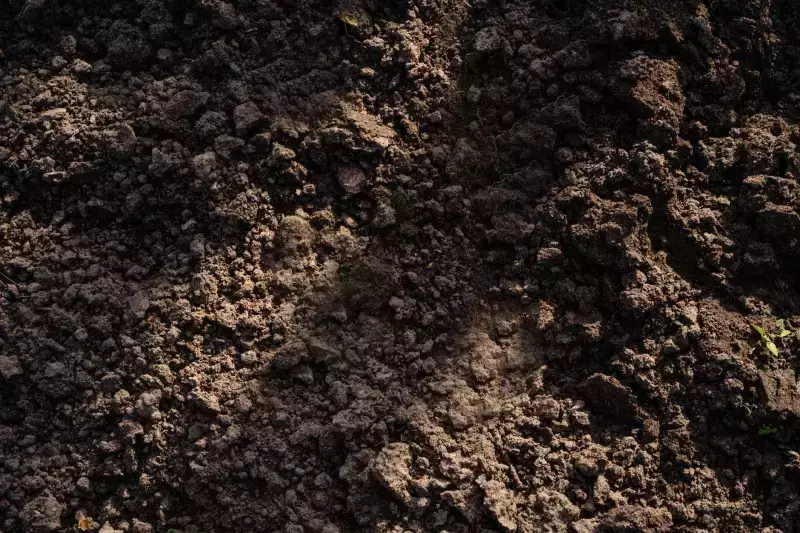
- Color: Generally, the darker the better. A rich, dark brown or even black indicates high organic matter content. Lighter colors often mean less organic matter and potentially less fertility.
- Texture: A healthy loam, as I mentioned, will feel crumbly and slightly gritty, but also a bit smooth when rubbed between your fingers. It shouldn’t feel overly sandy or sticky like pure clay. When you squeeze a handful, it should form a ball that gently breaks apart when poked.
- Smell: This might sound weird, but truly healthy soil has a distinct, fresh, earthy scent – a bit like after a good rain. That smell comes from beneficial microbes. If it smells sour or stagnant, that could indicate problems.
- Life: Dig around a bit. Do you see earthworms? Are there small insects? Their presence is a fantastic sign of a vibrant, living soil ecosystem.
I always recommend getting your hands dirty and really feeling the soil. It tells you a lot.
The Battle for Topsoil: Threats We Face
Despite its incredible resilience, topsoil is remarkably fragile and under constant threat. It's disheartening to think about, but recognizing the problems is the first step towards solutions.
- Erosion: This is a massive one. Wind and water can carry away vast quantities of topsoil, especially from bare, unprotected fields. Once it's gone, it can take centuries to regenerate even an inch.
- Compaction: Heavy machinery, livestock, and even foot traffic can compress the soil, squeezing out those vital air and water pores. This makes it hard for roots to penetrate and for water to infiltrate.
- Loss of Organic Matter: Intensive farming practices, like tilling repeatedly without adding back organic material, deplete the soil's crucial carbon stores, reducing its fertility and structure.
- Pollution: Industrial chemicals, pesticides, and other contaminants can render topsoil infertile or even toxic.
- Over-tilling: While some tilling is sometimes necessary, excessive tilling breaks down soil structure, exposes organic matter to rapid decomposition, and disrupts the soil food web.
These issues aren’t just abstract problems; they have real-world consequences for food security, water quality, and biodiversity.
Becoming Topsoil's Ally: Protecting and Improving This Precious Resource
So, what can we do? The good news is there's plenty, whether you're a farmer, a gardener, or just someone who cares about the planet. I try to implement these in my own little patch of earth.
- Embrace Cover Cropping: Planting non-cash crops like clover or rye in between growing seasons keeps the soil covered, prevents erosion, adds organic matter when tilled in (or left to decompose), and even suppresses weeds. It's a win-win-win!
- Reduce Tillage: Going 'no-till' or 'minimum-till' is a game-changer. It means disturbing the soil as little as possible, which helps maintain its structure, protects soil organisms, and builds up organic matter.
- Compost, Compost, Compost!: Adding compost and other organic amendments is one of the best things you can do. It's literally feeding the soil, improving its structure, nutrient content, and water retention. I've got a compost pile going almost constantly, and my garden loves me for it.
- Mulching: Covering bare soil with wood chips, straw, or other organic materials helps retain moisture, suppresses weeds, regulates soil temperature, and slowly adds organic matter as it breaks down. It's like a cozy blanket for your garden.
- Crop Rotation: Different plants have different nutrient needs and can bring different benefits to the soil. Rotating crops helps maintain soil fertility and can disrupt pest and disease cycles.
- Avoid Compaction: Try not to walk on garden beds unnecessarily, and if you’re working with heavier equipment, be mindful of soil moisture levels.
It's about working with nature, not against it. It’s a holistic approach, and frankly, I find it incredibly rewarding.
Ultimately, topsoil isn't just a medium for growing plants; it's a living system, a foundational element of our global ecosystem. Its health directly impacts our food, our water, and the very air we breathe. Understanding it, appreciating it, and actively working to protect it? That’s not just gardening or farming; it's a responsibility, and one I think is well worth taking on. After all, a healthy planet begins from the ground up, literally.