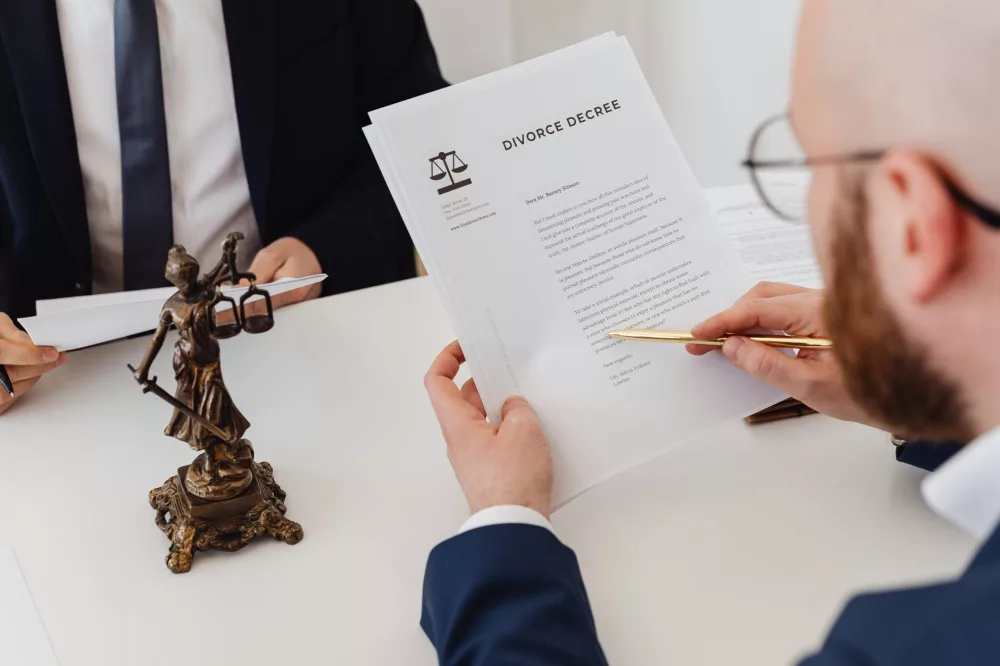

When you talk about Donald Trump and his legal representation, it’s really a story unlike any other in modern American politics. We’re not just looking at a single legal battle or a consistent team of lawyers; it’s been a dynamic, often high-stakes, and continuously evolving situation that spans decades, touching on business dealings, presidential actions, and post-presidency challenges. The attorneys who've represented him have faced immense public scrutiny, intense media pressure, and some truly complex legal questions. It’s certainly been a challenging environment for any legal professional.
The Early Years: Business and Personal Matters
Before stepping into the political spotlight, Trump’s legal needs were primarily centered around his extensive business empire. This meant a focus on real estate transactions, contract disputes, intellectual property issues, and even personal matters. During this period, his legal teams were typically private, working behind the scenes on civil litigation and corporate law. These weren't the headline-grabbing cases we often see today, but they laid the groundwork for a client who, you might say, was no stranger to the courtroom.
The Presidency: A Whirlwind of Legal Scrutiny
Once Donald Trump entered the White House, the nature of his legal challenges, and consequently his legal team, shifted dramatically. The presidency brought with it an unprecedented level of legal scrutiny, touching on everything from campaign finance to executive authority. It was a period defined by a constant barrage of investigations and challenges.
The Mueller Investigation and Russia Probe
One of the earliest and most significant legal challenges during his presidency was the Special Counsel investigation led by Robert Mueller into Russian interference in the 2016 election and alleged obstruction of justice. This required assembling a formidable defense team. Lawyers like John Dowd, Ty Cobb, and later Rudy Giuliani, Jay Sekulow, and Emmet Flood became household names, often appearing on television to defend the President’s actions. It wasn't just about arguing legal points in court; it was also about managing public perception and navigating a highly politicized environment. We saw a lot of back-and-forth in the media, which isn't typical for every legal case, but it became a hallmark of these particular situations.
Impeachments and Executive Power
Trump faced two impeachment proceedings during his time in office. The first, concerning his dealings with Ukraine, saw attorneys like Pat Cipollone (then White House Counsel), Jay Sekulow, and Alan Dershowitz presenting the defense before the Senate. They argued vehemently against the charges, emphasizing constitutional principles and executive privilege. The second impeachment, following the January 6th Capitol incident, occurred after he had left office. This presented a unique legal challenge, questioning whether a former president could even be impeached. His defense team for this second trial, which included David Schoen and Bruce Castor, had a tough job, arguing that the Senate lacked jurisdiction.
Beyond these high-profile investigations, his administration also faced numerous challenges to executive orders and policies, often requiring the Department of Justice to defend the administration’s actions in federal courts across the country. It’s a huge undertaking, as you can imagine, to defend a president’s entire policy agenda.
Post-Presidency: The Legal Battles Continue
Leaving the White House certainly didn't mean an end to legal entanglements for Donald Trump. If anything, the post-presidency era has seen a diversification of legal challenges, ranging from civil suits to criminal investigations.
- Georgia Election Interference: One of the most significant ongoing cases is the indictment in Georgia, alleging a conspiracy to overturn the 2020 election results. This has involved local attorneys and a complex defense strategy, dealing with state-level racketeering charges.
- Classified Documents Investigation: The Mar-a-Lago classified documents case is another major federal indictment. This has seen attorneys like Todd Blanche and Christopher Kise taking on the intricate details of classified material handling and obstruction charges. It's a high-stakes federal prosecution that demands a very specific kind of legal expertise.
- New York Civil and Criminal Cases: Trump has also faced numerous civil suits and criminal charges in New York, including those related to his business practices and defamation claims. Attorneys such as Alina Habba have been prominent in these proceedings, often engaging directly with the media to present their client’s perspective.
It’s clear that the legal work surrounding Trump isn't just about winning in court; it's also about managing a public narrative, responding to political adversaries, and dealing with an unprecedented level of public interest in every single detail.
The Dynamics of a Trump Legal Team
Representing Donald Trump comes with a very distinct set of challenges and characteristics that you don't typically see with other clients. There’s been a notable turnover of attorneys, with lawyers joining and leaving his orbit for various reasons, whether it’s strategic differences, personal choices, or simply the immense pressure of the role. It’s certainly not a quiet job, and the media spotlight is always on you.
Loyalty is often cited as a key factor in who represents Trump, but legal strategy, media savvy, and the ability to navigate complex political waters are just as critical. Attorneys often find themselves not just arguing in court but also communicating with the public and political figures, making their role quite multifaceted. It's a very public form of advocacy, where every move, every statement, is dissected and analyzed.
Ultimately, the saga of attorneys representing Donald Trump is a compelling study in legal representation under extreme pressure. From corporate boardrooms to congressional hearings and criminal courtrooms, these lawyers have navigated a legal and political landscape that's, frankly, unparalleled in recent memory. It’s a testament to the complexities of American law when intersected with high-stakes politics, and it continues to unfold before our eyes.