
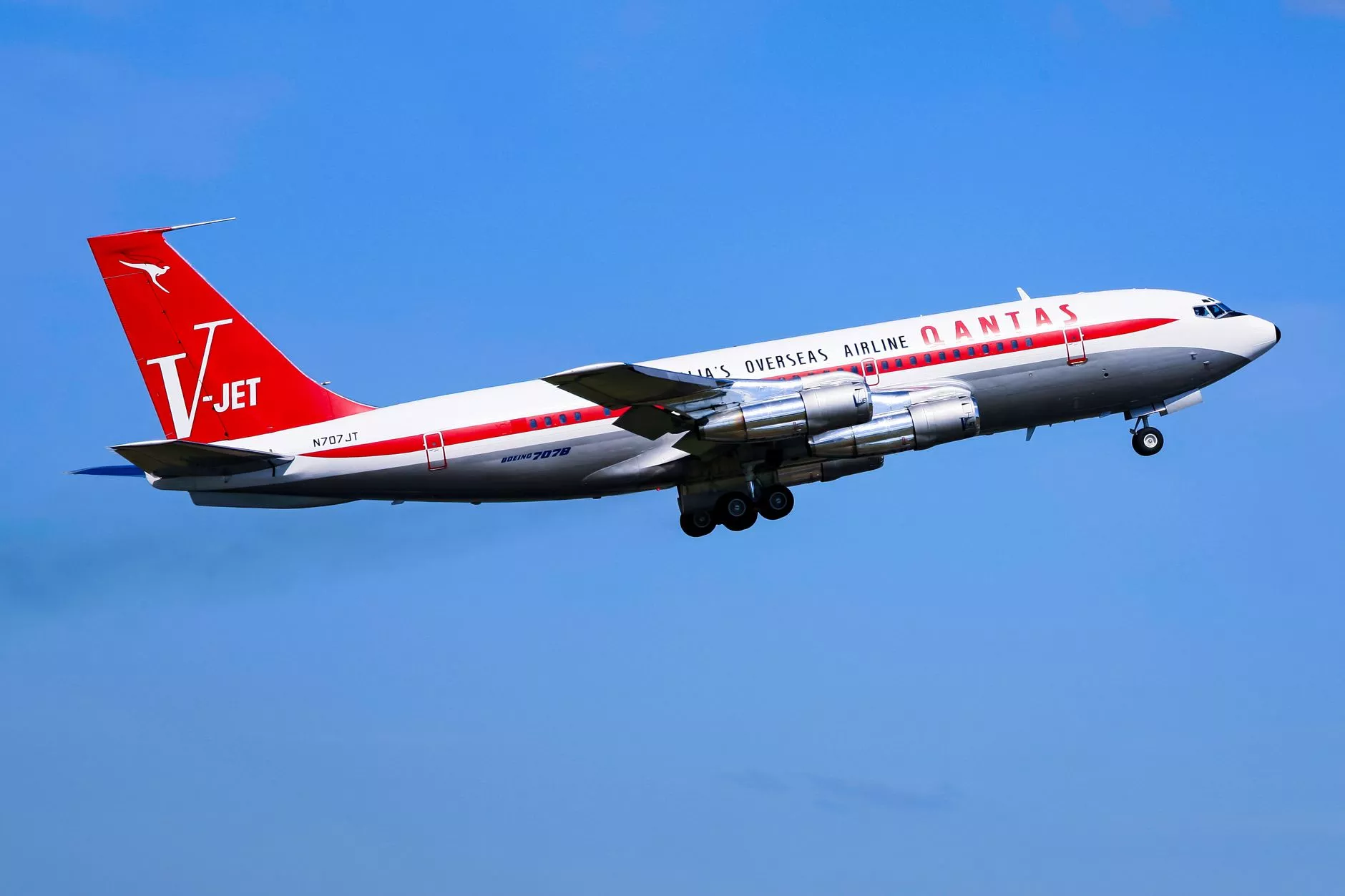
When I think of Australia's connection to the wider world, one name immediately springs to mind: Qantas. It isn't merely an airline; I believe it's an enduring symbol of national identity, a vital artery connecting a vast continent. For over a century, Qantas has not only ferried passengers and cargo but has also, in my view, played a significant role in shaping Australia's place in global aviation. Its journey is a remarkable narrative of ambition, innovation, and an unwavering commitment to safety, often against incredible odds.
The Pioneering Spirit: From Outback to Global Leader
The story of Qantas, or Queensland and Northern Territory Aerial Services Limited as it was originally known, began in the dusty outback of Queensland in 1920. Picture this: a time when aviation was in its infancy, and connecting remote communities seemed like an almost impossible dream. Yet, that's precisely what its founders, Paul McGuinness, Hudson Fysh, and Fergus McMaster, set out to achieve. They started with basic mail runs, demonstrating a profound understanding of the critical need for reliable aerial transport across Australia's immense distances. This early period, I find, perfectly encapsulates the adventurous spirit that has defined the airline.
The expansion from these humble beginnings was swift and strategic. Qantas wasn't content to simply connect towns within Australia; it quickly looked to the horizon, envisioning routes that would bridge continents. The development of the 'Kangaroo Route' to London in the post-war era, while involving multiple stops, was a groundbreaking achievement. It dramatically reduced travel times and opened up new possibilities for commerce and cultural exchange. I often reflect on the sheer logistical complexity involved in establishing such a route in an era with limited navigation technology; it speaks volumes about the foresight and determination of the people involved.
"Qantas has consistently pushed the boundaries of what's possible in aviation, from its pioneering long-haul flights to its relentless pursuit of safety excellence."
Navigating the Operational Labyrinth: Domestic Dominance and International Ambitions
Today, Qantas operates a vast network that includes extensive domestic services, often crucial for Australia's geographically dispersed population centers, alongside a comprehensive international footprint. I've observed its domestic dominance, particularly following the collapse of Ansett Australia, which solidified its position as a key player in the national air travel market. The QantasLink regional services are absolutely vital, providing essential air links to remote and regional communities that might otherwise be isolated. It's a testament to its comprehensive approach to serving the entire nation.
Internationally, Qantas competes with some of the world's largest and most established carriers. This isn't an easy task. The airline has consistently invested in modernizing its fleet, incorporating advanced aircraft like the Boeing 787 Dreamliner, which enables longer, more fuel-efficient routes. And then there's Project Sunrise, an incredibly ambitious endeavor to operate non-stop flights from Australia's east coast to major global hubs like London and New York. This project, I believe, represents the continued pioneering spirit of Qantas, pushing the technological and operational boundaries of ultra-long-haul flight. It's truly fascinating to watch this unfold.
Resilience in the Face of Adversity
Like all airlines, Qantas has certainly faced its share of turbulence. Over its long history, it has had to weather numerous global crises, including economic downturns, disease outbreaks like SARS, the aftermath of 9/11, and most recently, the unprecedented challenges brought about by the COVID-19 pandemic. Each event tested the airline's resilience, forcing strategic adjustments, difficult decisions, and often significant restructuring. I've seen how these periods have required immense agility and adaptability from the management team.
- Adapting to fluctuating fuel prices.
- Managing complex industrial relations issues.
- Responding swiftly to shifts in global travel demand.
- Implementing stringent safety protocols during health crises.
The recovery from the COVID-19 pandemic, in particular, presented extraordinary challenges. Ramping down operations to almost a complete halt and then rebuilding capacity while managing labor shortages and supply chain disruptions was an immense undertaking. My perspective is that the airline's ability to navigate such profound operational disruptions and emerge on the other side, albeit with some bumps, speaks volumes about its ingrained resilience.
The Flying Kangaroo: A Brand Built on Trust and Loyalty
The Qantas brand, symbolized by its iconic flying kangaroo, is globally recognized. It carries with it a strong association with safety, a factor I consider paramount in air travel. Qantas boasts one of the best safety records in the industry, a fact that has undoubtedly contributed to its brand strength and passenger trust. This commitment to safety isn't just a marketing slogan; it's deeply embedded in its operational culture.
The Qantas Frequent Flyer program is another cornerstone of its brand loyalty. I've heard countless stories from individuals who meticulously accumulate points, dreaming of their next journey or using them for upgrades. It’s a powerful engagement tool that fosters a strong connection with its customer base. While customer service experiences can, of course, vary across such a large organization, I generally perceive Qantas as maintaining a premium position within the Australian market, often associated with reliability and a certain level of comfort.
Looking Ahead: Sustainability and Innovation
As we look to the future, I see Qantas focusing on critical areas such as sustainability and continued technological innovation. The airline has made commitments towards net-zero emissions, exploring initiatives like sustainable aviation fuels (SAFs) and carbon offset programs. These aren't just buzzwords; they represent vital steps for the long-term viability of the aviation industry.
Furthermore, the integration of advanced digital technologies, from enhanced booking systems to AI-powered operational efficiencies, is helping Qantas streamline its processes and improve the passenger experience. My personal feeling is that while the journey ahead is certainly filled with its own set of challenges—geopolitical uncertainties, evolving travel patterns, and the constant pressure to innovate—Qantas is strategically positioning itself to remain a dominant and relevant force in global aviation for many years to come. It’s a company that's consistently demonstrated an ability to adapt, to innovate, and to keep that flying kangaroo soaring.