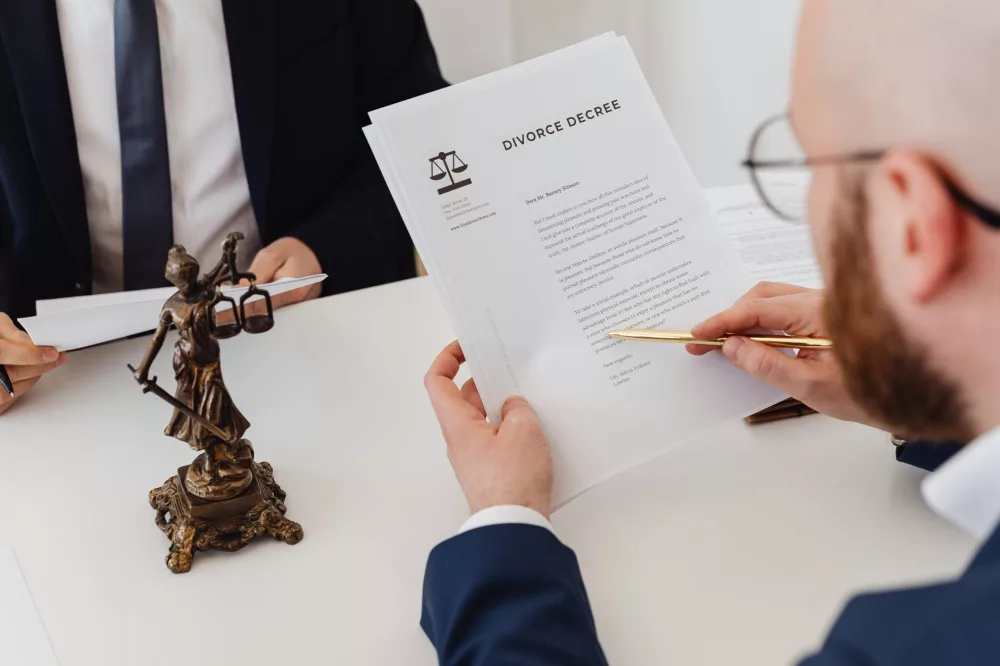

When someone faces allegations of domestic violence, or finds themselves a victim of it, the ground beneath them often feels like it's crumbling. It's an incredibly charged, emotional, and frankly, terrifying situation, isn't it? The legal system, complex as it is, becomes even more daunting when personal safety, family relationships, and your very freedom are on the line. That's exactly why understanding the critical role of a domestic violence attorney isn't just helpful; it's absolutely essential.
I've seen firsthand the chaos these situations create. People are often in shock, unsure of their rights, and wrestling with profound fear or anger. You might be a survivor seeking protection, or perhaps you've been accused and feel your reputation and future are unfairly jeopardized. No matter which side you're on, you're looking at a legal battle that demands specialized knowledge and a steady hand. That's what these attorneys bring to the table.
What Exactly Is Domestic Violence in a Legal Sense?
Before we jump into the attorney's job, let's get a clearer picture of what we're talking about. When we say 'domestic violence,' most people immediately think of physical abuse, right? But I want you to know, the legal definition is much broader than just physical harm. It encompasses a whole range of behaviors used by one person in an intimate relationship to maintain power and control over another. This can include:
- Physical Abuse: Any unwanted physical contact, from pushing and shoving to hitting or worse.
- Emotional or Psychological Abuse: This is often insidious, including constant criticism, intimidation, threats, isolation, or mind games that chip away at a person's self-worth.
- Sexual Abuse: Any non-consensual sexual act.
- Financial Abuse: Controlling access to money, preventing someone from working, or accumulating debt in their name.
- Stalking and Harassment: Repeated unwanted attention or communication that causes fear.
- Threats: Threats of harm to the individual, children, pets, or property.
These acts aren't just terrible; they often carry serious legal repercussions, both criminal and civil. That's where a skilled attorney becomes your most important ally.
Why You Absolutely Need a Domestic Violence Attorney
Look, I can't stress this enough: domestic violence cases are intensely complex. They involve intertwined areas of law – criminal law, family law, and often protective orders. Trying to navigate this labyrinth alone is, to put it mildly, a recipe for disaster. Here’s why having an experienced attorney in your corner is non-negotiable:
Understanding the Nuances of Law
State laws regarding domestic violence vary significantly. What constitutes domestic violence in one jurisdiction might be treated differently in another. An attorney specializing in this area knows these specific laws inside out. They understand the statutes, the case precedents, and how local courts and judges typically handle these matters. They're also clued into the procedural rules, which can make or break a case.
Protecting Your Rights and Safety
Whether you're a victim or accused, your rights are paramount. For victims, an attorney can move quickly to secure restraining orders or protective orders, helping create a safe environment. They'll ensure you understand what these orders mean and how to enforce them. If you're the accused, an attorney is your shield against potential false allegations, wrongful arrest, or violations of your due process rights. They’ll challenge weak evidence and make sure law enforcement and prosecutors adhere to proper procedures.
Navigating the Court System
Court proceedings for domestic violence can be incredibly intimidating. There are hearings, motions, evidence presentations, and often, emotional testimonies. A seasoned attorney will prepare you for every step, explain what to expect, and speak on your behalf with confidence and clarity. They're adept at cross-examining witnesses, presenting evidence, and making persuasive arguments to the judge.
The Attorney's Role When You're a Victim
If you're a survivor of domestic violence, your attorney steps in as a vital advocate to help you rebuild and gain safety.
- Securing Protective Orders: This is often the first step. Your attorney can help you file for an Emergency Protective Order, a Temporary Restraining Order, or a Permanent Restraining Order, detailing why you need it and what protections it should offer.
- Divorce and Custody Considerations: Domestic violence profoundly impacts family law cases. An attorney will fight to ensure your safety and the safety of your children are prioritized in divorce decrees, child custody arrangements, and visitation schedules. I mean, we're talking about supervised visits, sole custody, and protecting assets.
- Evidence Collection: Gathering evidence can be tough, especially when you're overwhelmed. Your attorney can guide you on what to collect – police reports, medical records, texts, emails, photos, or witness statements – and how to present it effectively.
- Criminal Case Liaison: While domestic violence attorneys often focus on civil matters (like protective orders or family law), they can also act as a liaison with prosecutors in any parallel criminal case, ensuring your voice is heard and your interests are represented.
The Attorney's Role When You're Accused
Being accused of domestic violence, whether true or false, can turn your life upside down. Your attorney's job here is to protect your liberty, reputation, and future.
- Aggressive Defense: They'll investigate the allegations thoroughly, looking for inconsistencies, challenging the credibility of witnesses, and exploring potential defenses like self-defense, mistaken identity, or false accusations.
- Protecting Your Rights: Your attorney ensures law enforcement respects your constitutional rights, particularly your right to remain silent and your right to counsel. They’ll also scrutinize search warrants and interrogation tactics.
- Negotiating with Prosecutors: In many criminal cases, plea bargains are a possibility. Your attorney will negotiate with the prosecution, aiming for reduced charges, alternative sentencing, or even dismissal of the case if the evidence is weak.
- Minimizing Consequences: A conviction for domestic violence carries severe penalties: jail time, heavy fines, mandatory anger management classes, loss of gun rights, and a permanent criminal record. It can also affect employment, housing, and child custody. Your attorney works tirelessly to mitigate these life-altering consequences.
- Challenging Protective Orders: If a protective order has been issued against you, your attorney can help you understand its terms and, if appropriate, challenge or seek modification of it.
Qualities of an Exceptional Domestic Violence Attorney
Choosing the right lawyer for these sensitive cases is absolutely critical. What should you look for? I’d say a few things really stand out:
- Specialized Experience: They shouldn't just be a general practitioner. You want someone with a proven track record specifically in domestic violence cases.
- Empathy and Understanding: These situations are highly emotional. You need an attorney who can listen without judgment, offer compassionate support, and guide you with sensitivity.
- Sharp Legal Acumen: They must possess a deep knowledge of criminal and family law related to domestic violence, staying current on all relevant legal developments.
- Strong Advocacy Skills: Your attorney needs to be a fierce advocate, comfortable negotiating and litigating in court, unafraid to stand up for your best interests.
- Clear Communication: You've gotta understand what's happening. A good attorney explains complex legal concepts in plain English and keeps you informed every step of the way.
What to Expect During Your Initial Consultation
When you first meet with a domestic violence attorney, it’s a chance for them to hear your story and for you to understand your options. Be prepared to share as many details as you can, even if they're difficult. This includes dates, incidents, communications, and any existing legal documents. Don't worry, these consultations are confidential. It's a two-way street; ask questions! Find out about their experience, their approach, potential outcomes, and their fee structure. This initial meeting helps you decide if they're the right fit for such an important journey.
Ultimately, whether you're seeking protection or defending yourself against accusations, facing domestic violence allegations is a profoundly challenging experience. It affects every aspect of your life and can leave you feeling isolated and vulnerable. That's why having a knowledgeable, compassionate, and tenacious domestic violence attorney by your side isn't just about legal representation; it's about having an unwavering champion who understands the stakes and is dedicated to securing the best possible outcome for you. Don't try to go it alone. Your future, and your peace of mind, are too important.