
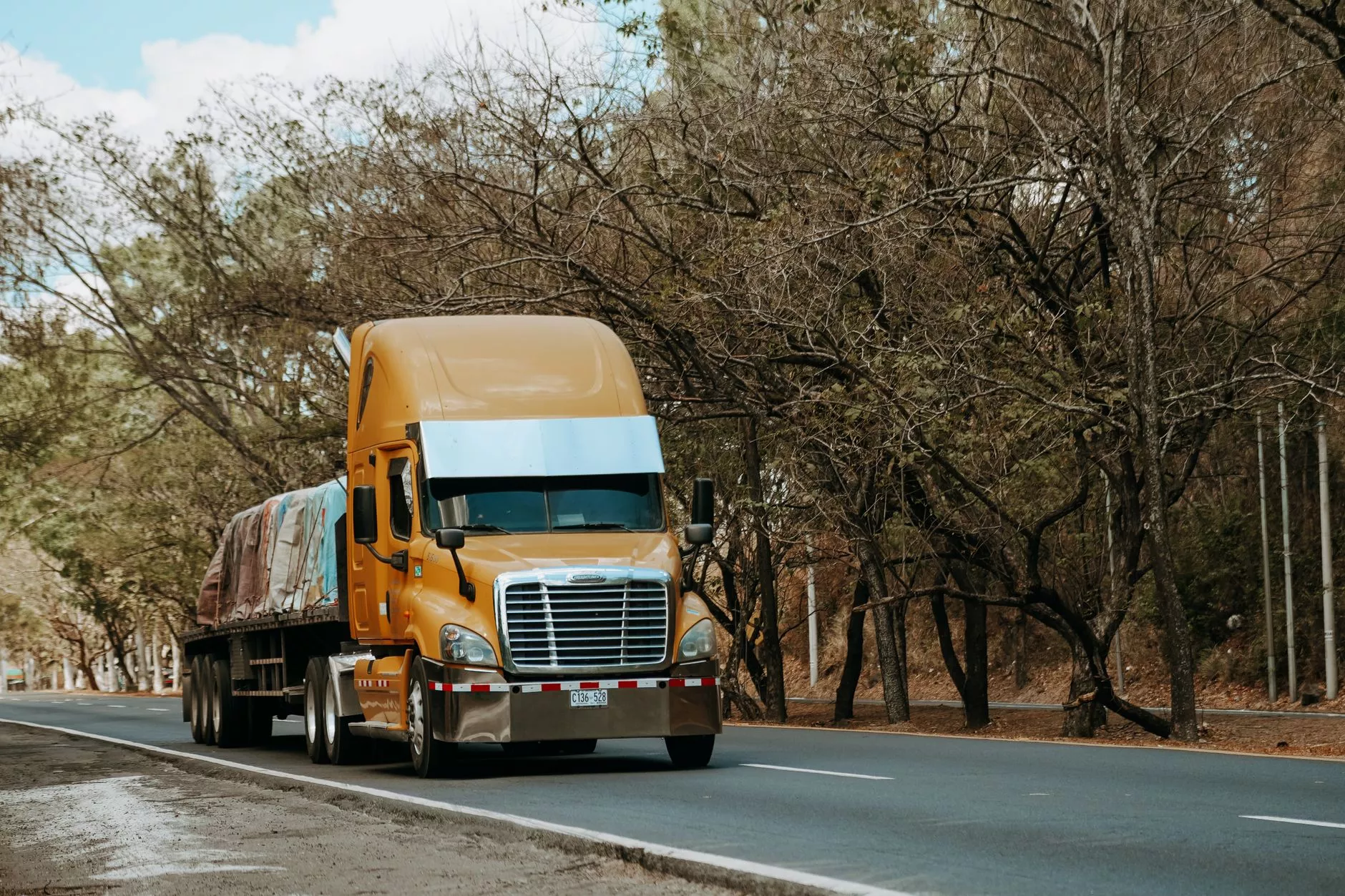
I've spent years watching the trucking industry evolve, and one thing that always strikes me is just how absolutely critical a comprehensive insurance strategy is for anyone in this business. We're not just talking about a 'nice-to-have'; it's the bedrock. When folks talk about 'total trucking insurance,' they're not usually referring to one single policy you can just pick up. Instead, it’s a robust, multi-layered shield designed to protect a trucking operation from the myriad of risks that come with moving goods across our vast country. It's complex, it's specific, and frankly, it's non-negotiable if you want to stay on the road and solvent.
Think about it for a moment: you're operating heavy machinery, often carrying incredibly valuable cargo, traveling thousands of miles, and you're constantly exposed to the unexpected. Accidents happen, equipment breaks down, cargo gets damaged or stolen, and let's not forget the regulatory landscape that's always shifting. Without the right coverage, a single incident can wipe out years of hard work, not just for an owner-operator but for an entire fleet. It's a sobering thought, but it's the reality of this high-stakes game. My goal today is to demystify what goes into that 'total' coverage, offering some insights I’ve picked up along the way.
The Pillars of Protection: Understanding Core Coverages
When I talk to new owner-operators or even seasoned fleet managers, I always emphasize that 'total' coverage is really a mosaic of different policies. Each piece addresses a specific type of risk, and getting them all aligned is key. Let's break down the main components I usually see forming the foundation:
- Primary Auto Liability: This is the big one, the absolute must-have. It covers damages or injuries to other people or their property if your truck is at fault in an accident. The Federal Motor Carrier Safety Administration (FMCSA) mandates minimum liability limits, which can vary depending on the type of freight you haul. For instance, hauling hazardous materials usually requires much higher limits. You just can’t operate without this, plain and simple.
- Physical Damage Coverage: This protects your truck and trailer. It usually includes two parts: collision, which covers damage from accidents, and comprehensive, which handles non-collision events like fire, theft, vandalism, or natural disasters. If your truck is leased or financed, your lender will certainly require this. It's your livelihood, so protecting it is paramount.
- Motor Truck Cargo Insurance: Now, this one is about what you’re carrying. It covers loss or damage to the freight you’re transporting due to perils like collision, fire, theft, or even refrigeration breakdown. I remember a small company that once lost a load of high-value electronics because of a fire that started in the cargo bay; without cargo insurance, they would've been out a fortune and probably out of business.
- General Liability: While auto liability covers incidents involving the truck on the road, general liability steps in for other business-related risks not directly tied to the vehicle's operation. Think about things happening at a loading dock, a slip-and-fall at your business premises, or even advertising injury. It’s the broader business protection.
- Non-Trucking Liability (NTL) or Bobtail Insurance: This is a quirky one but super important for owner-operators leased to a motor carrier. When you’re driving your truck without a load, or for personal use, your motor carrier’s primary liability might not cover you. NTL fills that gap, providing coverage when you're not under dispatch. It's a small premium that prevents a huge headache.
Beyond the Basics: Tailoring Your Protection
Of course, the core coverages are just the start. Depending on the specifics of your operation, you'll need to consider additional layers. This is where the 'total' aspect really shines, as it's about customizing for your unique risks. I’ve seen owner-operators pick and choose based on their niche, and it makes all the difference.
- Trailer Interchange Insurance: If you're interchanging trailers with other truckers or companies, this policy covers damage to non-owned trailers that you're hauling under a trailer interchange agreement. It's an absolute must for those types of operations.
- Uninsured/Underinsured Motorist Coverage: This protects you and your drivers if you're involved in an accident with someone who doesn't have enough, or any, insurance to cover the damages. It's a sad reality that not everyone is properly insured, and this acts as a crucial safety net.
- Workers' Compensation: If you have employees, you'll almost certainly need workers' comp. It covers medical expenses and lost wages for employees injured on the job. Even owner-operators need to consider occupational accident insurance if they're not covered by workers' comp through their motor carrier.
- Reefer Breakdown Coverage: For those hauling refrigerated goods, a reefer unit breaking down can lead to catastrophic cargo loss. This specialized coverage helps protect against that specific risk.
“Ignoring the nuanced requirements of trucking insurance isn't just risky; it's a direct threat to the longevity and stability of your business. Every mile driven without adequate protection is a gamble you really can’t afford to lose.”
Why Getting it Right Matters: More Than Just Compliance
I can tell you, from personal experience and countless conversations, that simply meeting minimum legal requirements isn't enough. It's about risk management. The cheapest policy might save you a few bucks upfront, but if it leaves critical gaps, you could face massive out-of-pocket expenses when something inevitably goes wrong. I’ve seen companies get caught flat-footed because they skimped on a particular coverage, thinking it was unnecessary, only to face a claim that wasn't covered.
Moreover, robust insurance coverage enhances your credibility. Reputable shippers and brokers prefer working with carriers who are fully insured because it minimizes their own risk. It signals professionalism and reliability, which can open doors to better contracts and more lucrative opportunities. It's an investment, not just an expense.
Working with Specialists: A Game Changer
Given the complexity, my strongest advice is to work with an insurance agent or broker who specializes in trucking insurance. They understand the intricacies of federal and state regulations, the different types of freight, the nuances of various operations, and the specific needs of owner-operators versus larger fleets. They can help you identify potential exposures you might not even be aware of and tailor a package that truly provides total protection.
Don't be afraid to ask questions. Understand every policy, every deductible, and every exclusion. It’s your business on the line. When I speak with truckers, I often hear stories about how a good agent saved them from a bad policy choice, or helped them navigate a claim efficiently. That kind of expertise is invaluable.
Ultimately, 'total trucking insurance' isn't just about checkboxes; it’s about peace of mind. It’s knowing that you’ve done everything possible to protect your assets, your livelihood, and your future in an industry that demands vigilance. It allows you to focus on what you do best: keeping America's economy moving, one mile at a time.