Understanding the Heart of Home Health Care
When we talk about healthcare, our minds often jump to hospitals, doctors’ offices, or perhaps even highly specialized clinics. But there's a vital, often unsung, segment of the healthcare world that operates right where people feel most comfortable and secure: their own homes. This is the realm of the home health aide, or HHA. And let me tell you, from what I've observed and learned over time, these professionals are nothing short of incredible.
You know, for many, the idea of aging or managing a chronic illness often comes with a creeping fear of losing independence, of having to leave behind familiar surroundings. It’s a perfectly natural concern. But what if I told you there's a whole profession dedicated to making sure that doesn’t have to happen? That’s where the home health aide steps in. They're not just caregivers; they're facilitators of dignity, comfort, and continued autonomy. It’s a role that demands a unique blend of practical skills, profound empathy, and unwavering patience.
What Exactly Does a Home Health Aide Do? It’s More Than You Might Think!
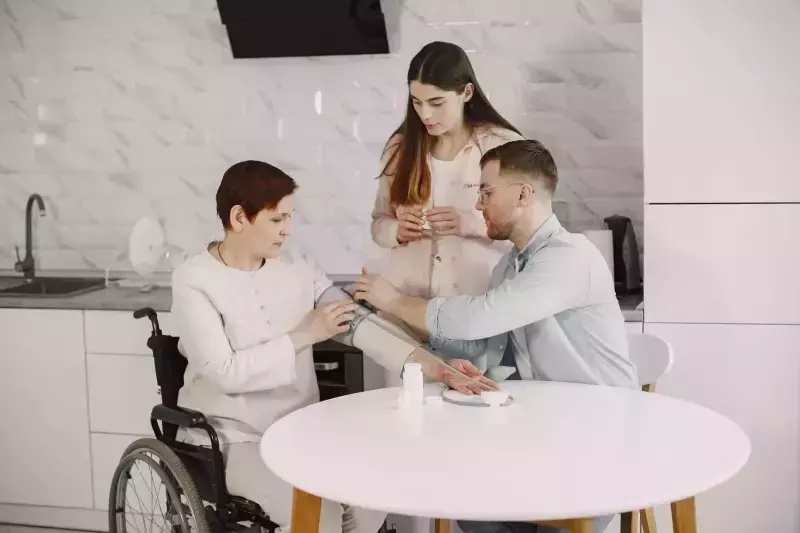
So, what does an HHA actually do? It’s quite comprehensive, really. They provide essential services that allow individuals to remain safely and comfortably in their own homes, often postponing or even preventing the need for institutional care. It's not just about medical tasks; it's about holistic support. Here’s a peek into their daily contributions:
- Personal Care Assistance: This is a big one. HHAs help with activities of daily living (ADLs). Think about things we all do without a second thought: bathing, dressing, grooming, using the toilet. For someone with limited mobility or cognitive impairment, these simple acts can become immense challenges. An HHA steps in with gentle, respectful assistance, ensuring hygiene and personal dignity are maintained.
- Medication Reminders: It’s easy to forget a dose, especially when dealing with multiple prescriptions. HHAs can’t administer medication, but they’re absolutely crucial in reminding clients when it’s time to take their pills, ensuring schedules are followed correctly.
- Light Housekeeping and Meal Preparation: A clean, organized environment is key for health and well-being. HHAs might assist with light cleaning, laundry, or running errands for groceries. They're also often responsible for preparing nutritious meals, sometimes tailored to specific dietary needs, making sure clients eat well.
- Mobility and Transfer Assistance: Moving from a bed to a chair, or walking from one room to another, can be risky for some. HHAs are trained to assist with transfers, using proper techniques and equipment to prevent falls and ensure safety.
- Companionship and Emotional Support: This, to me, is one of the most priceless aspects of their work. Loneliness and isolation can be as detrimental to health as any physical ailment. HHAs provide companionship, engaging in conversation, reading aloud, or simply being a reassuring presence. They often become a trusted friend and confidant.
- Observation and Reporting: HHAs spend a lot of time with their clients, which means they’re often the first to notice subtle changes in health, mood, or behavior. They document these observations and report them to nurses or other healthcare professionals, which can be absolutely vital for early intervention and preventing serious issues.
Who Benefits Most from an HHA’s Care?
Honestly, a lot of folks! But here are some common scenarios where an HHA makes an enormous difference:
- Seniors Wishing to Age in Place: This is perhaps the most common reason. Many older adults simply don’t want to leave the homes they’ve lived in for decades. HHAs make this a safe and viable option.
- Individuals Recovering from Surgery or Illness: Imagine coming home from a hospital stay, still weak or in pain. An HHA can bridge that gap, providing support during the crucial recovery period.
- People with Chronic Conditions or Disabilities: For those managing long-term conditions like Parkinson's, dementia, or severe arthritis, an HHA provides consistent, tailored support that enhances their quality of life.
- Families Needing Respite Care: Family caregivers are heroes, but everyone needs a break. An HHA can step in, providing temporary relief and peace of mind for family members who need to rest, work, or attend to other responsibilities.
The Path to Becoming a Home Health Aide: More Than Just a Job
Becoming an HHA isn't just about showing up; it requires specific training and a certain kind of person. Most states require certification, which involves completing a state-approved training program. These programs cover everything from basic anatomy and first aid to communication skills and understanding different medical conditions. What's truly essential, though, are the soft skills. We're talking about:
Empathy: The ability to genuinely understand and share the feelings of another.
Patience: Some days are tough, and progress can be slow. A patient demeanor is indispensable.
Observation Skills: Catching those subtle changes in a client's condition can literally save lives.
Communication: Clear, kind communication with both clients and their families, as well as medical staff, is paramount.
Physical Stamina: It can be physically demanding work, helping clients with transfers and mobility.
Dependability: Clients rely on their HHAs, so consistency is key. You can't just skip a day.
And here's the thing: the demand for HHAs is absolutely soaring. As our population ages, and as healthcare shifts more towards home-based care, the need for these dedicated professionals is only going to grow. It’s a career with incredible job security and, more importantly, immense personal reward.
The Emotional Landscape: Challenges and Profound Rewards
It wouldn't be fair to talk about this profession without acknowledging the emotional toll it can sometimes take. HHAs often deal with challenging behaviors, the progression of debilitating illnesses, and even the eventual loss of clients they've grown close to. It's heavy stuff, no doubt about it. They also face unique challenges like working independently, often with limited supervision, and navigating complex family dynamics.
But the flip side? The rewards are truly profound. Imagine being the person who helps an elderly gentleman maintain his morning routine, allowing him to feel like himself again. Picture the smile on a client's face when you bring them a favorite meal. Or the quiet gratitude in a family member's eyes because they know their loved one is in capable, compassionate hands. HHAs build deep, meaningful connections. They witness incredible resilience and are often the reason someone can live out their days with comfort and dignity in the place they cherish most – home.
In a world that sometimes feels disconnected, home health aides are living, breathing examples of human connection and service. They’re not just performing tasks; they’re enriching lives, one day at a time, within the very walls that hold a lifetime of memories.