
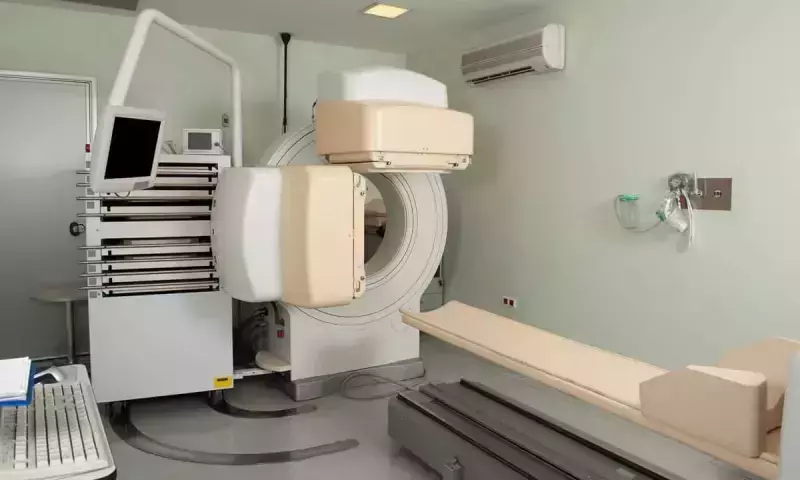
A HIDA scan is a specialized medical imaging test used to evaluate the health and function of the liver, gallbladder, bile ducts, and small intestine. It helps doctors identify problems that may not be visible on other imaging tests, such as ultrasound or CT scans. By tracking the movement of a small amount of radioactive tracer through the biliary system, a HIDA scan provides valuable information about how well these organs are working.
This test is commonly recommended for people experiencing unexplained abdominal pain, suspected gallbladder disease, or bile duct blockages. Understanding how a HIDA scan works can help patients feel more comfortable and prepared before the procedure.
What Is a HIDA Scan?
HIDA stands for Hepatobiliary Iminodiacetic Acid. During the test, a healthcare professional injects a small amount of radioactive tracer into a vein in your arm. The tracer travels through your bloodstream to your liver, where it is processed and released into the bile. It then moves through the gallbladder, bile ducts, and finally into the small intestine.
A special gamma camera captures images as the tracer moves through your digestive system. These images help doctors assess whether the organs are functioning normally.
Why Is a HIDA Scan Performed?
Doctors may recommend a HIDA scan to diagnose or evaluate several conditions affecting the liver and biliary system.
Common reasons include:
-
Persistent upper right abdominal pain
-
Suspected gallbladder inflammation
-
Gallbladder dysfunction
-
Bile duct obstruction
-
Bile leakage after surgery
-
Chronic gallbladder disease
-
Evaluation of liver function
-
Investigation of unexplained digestive symptoms
The scan can also help determine whether surgery may be necessary in certain cases.
Conditions a HIDA Scan Can Help Detect
A HIDA scan is useful for identifying a variety of medical conditions, including:
Gallbladder Inflammation
The scan can detect both acute and chronic inflammation of the gallbladder. If the tracer does not enter the gallbladder properly, it may indicate inflammation or blockage.
Gallbladder Dysfunction
Sometimes the gallbladder appears normal on ultrasound but does not empty efficiently. A HIDA scan can measure how effectively the gallbladder contracts after stimulation.
Blocked Bile Ducts
If bile cannot flow normally because of a blockage, the tracer's movement will be delayed or interrupted, helping doctors locate the problem.
Bile Leakage
Following gallbladder or liver surgery, a HIDA scan can identify bile leaks that may require additional treatment.
How to Prepare for a HIDA Scan
Preparation instructions may vary depending on the reason for the examination, but patients are generally advised to follow certain guidelines.
These may include:
-
Avoid eating for several hours before the test.
-
Inform your doctor about all medications you are taking.
-
Tell your healthcare provider if you are pregnant or breastfeeding.
-
Wear comfortable clothing without excessive metal accessories.
-
Follow any additional instructions provided by your medical team.
Proper preparation helps improve the accuracy of the test results.
What Happens During the Procedure?
A HIDA scan is usually performed in the nuclear medicine department of a hospital or imaging center.
The procedure typically follows these steps:
-
A radioactive tracer is injected into a vein.
-
You lie comfortably on an examination table.
-
A gamma camera takes images as the tracer moves through your liver and biliary system.
-
Additional images may be taken over time to monitor the tracer's progress.
-
In some cases, medication may be given to stimulate the gallbladder and evaluate its emptying function.
The procedure is generally painless, although remaining still for an extended period may become slightly uncomfortable.
How Long Does a HIDA Scan Take?
Most HIDA scans take between one and two hours. However, certain studies may require additional imaging, extending the examination to several hours if necessary.
The exact duration depends on how quickly the tracer moves through your digestive system and the specific information your doctor needs.
Is a HIDA Scan Safe?
A HIDA scan is considered a safe diagnostic procedure for most patients.
The radioactive tracer used contains a very small amount of radiation, and it typically leaves the body naturally through urine or stool within a short period.
Side effects are uncommon, but some individuals may experience:
-
Mild discomfort at the injection site
-
Temporary allergic reactions (rare)
-
Brief nausea after certain medications used during the test
Healthcare providers carefully evaluate the benefits and risks before recommending the procedure.
Understanding the Results
After reviewing the images, a radiologist prepares a report for your doctor.
Possible findings may include:
-
Normal liver and gallbladder function
-
Delayed bile flow
-
Gallbladder not visible on imaging
-
Reduced gallbladder ejection fraction
-
Evidence of bile leakage
-
Signs of bile duct obstruction
Your physician will explain the results and discuss any additional testing or treatment if needed.
Advantages of a HIDA Scan
Compared to some other imaging methods, a HIDA scan offers several benefits:
-
Evaluates organ function rather than just structure
-
Detects gallbladder problems not visible on ultrasound
-
Helps diagnose bile leaks
-
Assesses bile flow accurately
-
Supports treatment planning
-
Non-invasive procedure
These advantages make it an important diagnostic tool in many gastrointestinal conditions.
Are There Any Risks?
Although considered very safe, every medical procedure carries some level of risk.
Potential risks include:
-
Minimal radiation exposure
-
Rare allergic reaction to the tracer
-
Slight bruising at the injection site
-
Temporary discomfort during prolonged imaging
For most patients, the diagnostic benefits greatly outweigh these small risks.
Conclusion
A HIDA scan is a valuable imaging test that helps doctors evaluate the function of the liver, gallbladder, bile ducts, and small intestine. Unlike imaging tests that focus mainly on anatomy, a HIDA scan provides important information about how these organs work in real time.
If your doctor recommends a HIDA scan, understanding the procedure can help reduce anxiety and prepare you for the examination. By identifying conditions such as gallbladder dysfunction, bile duct blockages, inflammation, or bile leaks, this test plays an important role in diagnosing digestive disorders and guiding effective treatment plans.