
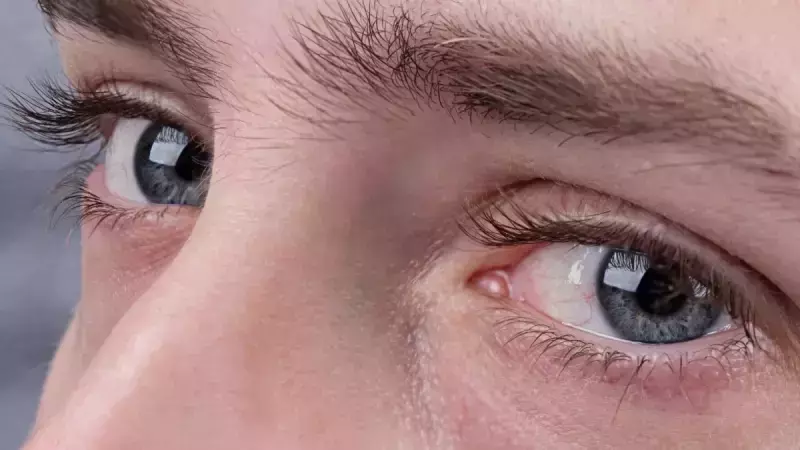
Grey eyes are among the rarest and most fascinating eye colors found in humans. Their unique appearance has captivated people for centuries, often being associated with mystery, elegance, and individuality. Unlike more common eye colors such as brown, blue, or hazel, grey eyes are seen in only a small percentage of the global population.
Although they may sometimes appear similar to blue eyes, grey eyes have distinct characteristics that set them apart. Their color can even seem to change depending on lighting, clothing, or surrounding colors, making them one of the most intriguing natural eye shades.
What Causes Grey Eyes?
Eye color is determined primarily by genetics and the amount of melanin present in the iris. Melanin is the pigment responsible for coloring the eyes, skin, and hair.
Grey eyes contain very little melanin, similar to blue eyes, but they also have a unique arrangement of collagen fibers within the iris. This structure scatters light differently, giving grey eyes their soft, silvery appearance.
Rather than containing grey pigment, the color results from the way light interacts with the tissues inside the eye.
How Rare Are Grey Eyes?
Grey eyes are considered extremely uncommon. It is estimated that less than 1% of the world's population naturally has grey eyes, making them one of the rarest eye colors.
They are found more frequently among people with Northern or Eastern European ancestry, although individuals from many different backgrounds can inherit grey eyes.
Their rarity contributes to their distinctive appearance and widespread fascination.
Characteristics of Grey Eyes
Grey eyes have several features that make them unique.
Some common characteristics include:
-
Soft silver or smoky appearance
-
Ability to change slightly under different lighting
-
Low melanin levels
-
Bright and reflective look
-
Wide range of shades from light grey to dark charcoal
Some grey eyes also contain subtle hints of blue, green, or even gold near the pupil, making each person's eye color unique.
Do Grey Eyes Change Color?
Many people with grey eyes notice that their eyes appear different throughout the day. Although the actual eye color does not change, several factors can influence how grey eyes look.
These include:
-
Natural sunlight
-
Indoor lighting
-
Clothing colors
-
Makeup
-
Background colors
-
Pupil size
-
Emotional state
For example, grey eyes may appear blue outdoors, green in certain lighting conditions, or darker in dim environments.
Grey Eyes vs. Blue Eyes
Grey and blue eyes are often confused because both contain relatively low amounts of melanin.
However, there are some noticeable differences.
Grey eyes typically have:
-
More neutral or silver tones
-
Less vibrant blue coloration
-
Greater light reflection
-
Stronger contrast around the iris
Blue eyes generally display brighter blue shades, while grey eyes have a softer and more muted appearance.
The Genetics Behind Grey Eyes
Eye color is influenced by multiple genes rather than a single inherited trait. While parents with light-colored eyes are more likely to have children with grey eyes, predicting eye color remains complex.
Scientists continue studying the genetic factors responsible for rare eye colors, including grey.
Environmental influences do not determine eye color, but genetics play the primary role.
Are Grey Eyes More Sensitive to Light?
Because grey eyes contain relatively little melanin, some individuals may be more sensitive to bright sunlight compared to people with darker eyes.
Melanin helps protect the eyes from intense light, so lower pigment levels may allow more light to enter the eye.
People with grey eyes often benefit from:
-
Wearing sunglasses outdoors
-
Using UV-protective lenses
-
Avoiding prolonged exposure to extremely bright sunlight
These simple habits can improve comfort and protect long-term eye health.
Common Myths About Grey Eyes
Several myths surround rare eye colors.
Myth 1: Grey Eyes Change Color Completely
Grey eyes do not permanently change color. Their appearance may vary because of lighting and surrounding colors, but the underlying eye color remains the same.
Myth 2: Grey Eyes Have Better Vision
Eye color does not determine visual sharpness. Vision depends on the overall health and structure of the eyes rather than iris color.
Myth 3: Grey Eyes Are Artificial
Naturally grey eyes are completely real and occur due to inherited genetic traits. Although rare, they are a normal variation of human eye color.
Caring for Eye Health
Regardless of eye color, maintaining healthy eyes is important.
Good habits include:
-
Scheduling regular eye examinations
-
Wearing sunglasses with UV protection
-
Eating a balanced diet rich in vitamins
-
Staying hydrated
-
Limiting excessive screen time
-
Getting enough sleep
-
Avoiding smoking
These practices support healthy vision throughout life.
Grey Eyes in Fashion and Photography
Grey eyes are often admired because they photograph beautifully under different lighting conditions. Photographers and makeup artists frequently highlight their natural versatility.
Certain colors tend to complement grey eyes particularly well, including:
-
Navy blue
-
Purple
-
Emerald green
-
Silver
-
Charcoal
-
Soft pink
-
Burgundy
These color combinations can enhance the natural depth and brightness of grey eyes.
Why Grey Eyes Are So Unique
Every pair of grey eyes is slightly different. Some appear icy silver, while others display hints of blue, green, or violet depending on the environment.
This natural variation means no two people with grey eyes look exactly alike. Combined with their rarity, this uniqueness makes grey eyes especially memorable.
Conclusion
Grey eyes are among the rarest and most distinctive eye colors in the world. Their beautiful silver tones, changing appearance under different lighting conditions, and unique genetic origins make them a fascinating feature of human diversity.
Although uncommon, grey eyes require the same care and attention as any other eye color. Protecting your vision through regular eye care and healthy lifestyle habits is far more important than the color of your eyes. Whether admired for their elegance, mystery, or rarity, grey eyes continue to capture attention and remain one of nature's most remarkable traits.